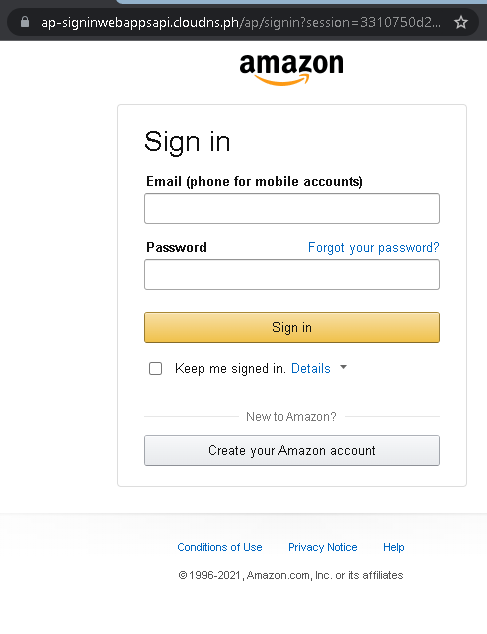
A sophisticated Amazon phishing kit originating from Bandung, Indonesia, and linked to the “Indonesian Cyber Army” targets customers with fake Prime subscription or security alerts. The attack harvests credentials and financial information by directing users to a high-fidelity replica of the login page. To protect against such scams, consumers should verify alerts directly through the Amazon app or website.
Threat Intel: This deceptive layout was detected, analyzed, and contained firsthand by the Antiphishing.biz security team during our standard URL vetting operations. To protect the public, the phishing source domain has been completely disabled within our infrastructure. We document and analyze these live visual patterns to help security researchers and users spot lookalike phishing methods before financial damage occurs.
Figure 1: Actual screenshot of the active phishing operation intercepted by our security systems.
To avoid phishing scams targeting Amazon accounts, always manually enter “amazon.com” in the browser and verify that communications appear in the official “Message Center” within the user’s account dashboard. Crucial defenses include enabling two-step verification, checking the sender’s actual email address for a “@amazon.com” domain, and using a password manager to detect fake, lookalike URLs.
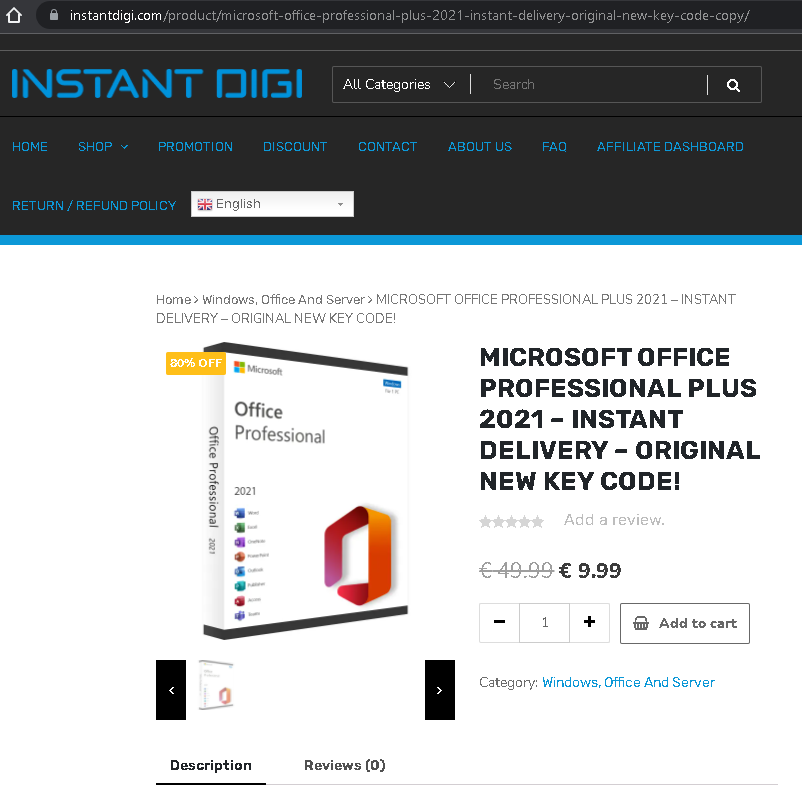
This screenshot shows a fraudulent online store (instantdigi.com) selling what appears to be an extremely discounted copy of Microsoft Office Professional Plus 2021. The price is marked down from $49.99 to $9.99 – a clear red flag for a scam or counterfeit software operation.
Threat Intel: This spoofed page was detected, analyzed, and contained firsthand by the Antiphishing.biz security team during our standard URL vetting operations. To protect the public, the hostile origin link has been safely deactivated within our infrastructure. We document and analyze these live visual patterns to help security researchers and users spot lookalike phishing methods before financial damage occurs.
Figure 1: Actual screenshot of the active phishing operation intercepted by our security systems.
Threat Analysis: Fake Software Store – Counterfeit or Non‑Delivery Scam
How it works: The victim encounters this site via an ad, search result, or social media link. The page mimics a legitimate e‑commerce store, complete with product descriptions, categories, and a fake discount (“80% OFF”). The victim is tempted to buy a genuine Microsoft Office key for $9.99. After payment, one of three things happens:
No product delivered – the victim receives nothing, and their payment information is stolen.
Fake / already‑used key – the victim receives a key that is invalid, blocked, or previously activated.
Credential harvesting – the checkout page may ask for personal and payment details, which are captured by attackers.
The goal: The attacker aims to:
Steal credit card details entered during checkout
Collect personal information (name, address, email) for identity theft or future scams
Receive direct payment for a product that is never delivered or is counterfeit
Red flags to watch for:
Too‑good‑to‑be‑true price: A genuine Microsoft Office Professional Plus 2021 key typically costs $100–$250. $9.99 is impossible for a legitimate license.
Suspicious domain:instantdigi.com is not an authorized Microsoft reseller. Official Microsoft products are sold through Microsoft.com or trusted retailers (Amazon, Best Buy, etc.).
Generic design and inflated discount: The “80% OFF” and “0 reviews” are common tactics to pressure impulse buying.
No clear company information: Legitimate stores provide verifiable contact details, return policies, and business registration. This site lacks transparency.
What to do if you encounter this:
Do not purchase anything or enter any payment information.
If you have already entered card details, contact your bank immediately to block the card and dispute any unauthorized charges.
Only buy software directly from the official Microsoft website or from authorized, well‑known retailers.
Protective measures:
Remember: if the price is drastically lower than market value, it is almost certainly a scam.
Check the domain – authorized Microsoft partners are listed on Microsoft’s website.
Use a credit card with fraud protection for online purchases, and monitor statements regularly.
Read reviews – search for the store name + “scam” before buying.
Fake Windows 11 upgrade scams use malicious search engine ads and fraudulent websites to impersonate the official Microsoft Download Center. These sites distribute infostealers like RedLine Stealer or steal Microsoft account credentials through fake login prompts. Users are advised to only update Windows via the built-in system settings and to verify that all download domains are strictly “microsoft.com”.
Incident Report: This deceptive layout was logged, cross-checked, and neutralized firsthand by the Antiphishing.biz security team during our automated link scanning workflows. To protect the public, the phishing source domain has been completely disabled within our infrastructure. We document and analyze these live visual patterns to help security researchers and users spot lookalike phishing methods before financial damage occurs.
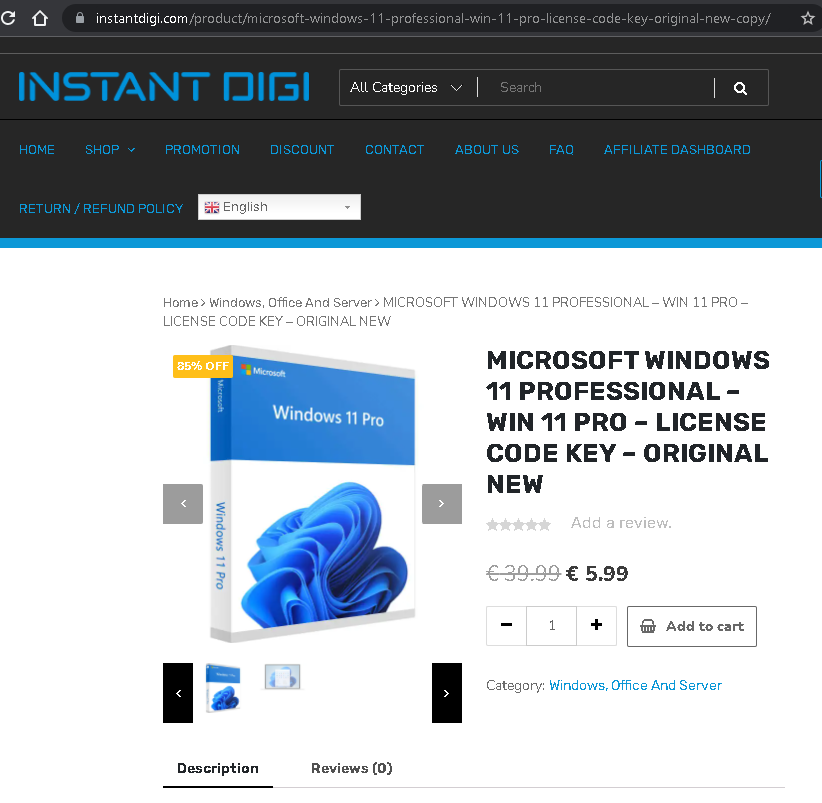
Figure 1: Visual proof of the ongoing fraudulent campaign captured during routine moderation.
This screenshot shows another page from the same fraudulent online store (instantdigi.com), this time offering Microsoft Windows 11 Professional at an 85% discount – from $39.99 down to $5.99. This is a clear scam, either selling counterfeit or non‑functional license keys, or simply stealing payment information without delivering anything.
Threat Analysis: Fake Software Store – Counterfeit Windows License Scam
How it works: The victim sees an ad or search result for an incredibly cheap Windows 11 Pro license. The page mimics a legitimate e‑commerce store. The victim is tempted to buy a “genuine” license key for $5.99. After payment, the attacker either:
Provides a fake, already‑used, or blocked key
Delivers nothing at all
Steals the credit card details entered during checkout
The goal: The attacker aims to:
Steal credit card information for fraudulent transactions
Collect personal data (name, address, email) for identity theft
Receive direct payment for a worthless or non‑existent product
Red flags to watch for:
Too‑good‑to‑be‑true price: A legitimate Windows 11 Pro license costs $100–$200. $5.99 is impossible for a genuine retail key.
Suspicious domain:instantdigi.com is not an authorized Microsoft reseller. Microsoft sells licenses directly or through trusted partners (Amazon, Best Buy, Newegg, etc.).
85% discount + “0 reviews”: The extreme discount and lack of genuine customer feedback are common pressure tactics.
Same fraudulent site as previous example: The identical layout, “INSTANT DIGI” branding, and unrealistic pricing confirm it is part of the same scam operation.
What to do if you encounter this:
Do not purchase anything or enter any payment information.
If you have already entered card details, contact your bank immediately to block the card and dispute any unauthorized charges.
Always buy software licenses directly from Microsoft or authorized retailers.
Protective measures:
If the price seems too good to be true, it is a scam.
Verify the domain – Microsoft’s official store is microsoft.com, not random third‑party sites.
Use a credit card with fraud protection and monitor your statements.
Search for “[store name] scam” before buying from an unfamiliar site.
The fake Walmart gift card scam utilizes a survey-based phishing method to steal personal identification data and credit card information. This scheme lures victims with the promise of a $1000 gift card, ultimately using a fake “shipping fee” to harvest credit card CVV details for financial skimming.
Incident Report: This spoofed page was detected, analyzed, and contained firsthand by the Antiphishing.biz security team during our automated link scanning workflows. To protect the public, the phishing source domain has been fully defanged within our infrastructure. We document and analyze these live visual patterns to help security researchers and users detect replica fraud techniques before financial damage occurs.
Figure 1: Visual proof of the ongoing fraudulent campaign intercepted by our security systems.Figure 2: Visual proof of the ongoing fraudulent campaign intercepted by our security systems.Figure 3: Visual proof of the ongoing fraudulent campaign intercepted by our security systems.Figure 4: Visual proof of the ongoing fraudulent campaign intercepted by our security systems.Figure 5: Visual proof of the ongoing fraudulent campaign intercepted by our security systems.Figure 6: Visual proof of the ongoing fraudulent campaign intercepted by our security systems.Figure 7: Visual proof of the ongoing fraudulent campaign intercepted by our security systems.Figure 8: Visual proof of the ongoing fraudulent campaign intercepted by our security systems.Figure 9: Visual proof of the ongoing fraudulent campaign intercepted by our security systems.Figure 10: Visual proof of the ongoing fraudulent campaign intercepted by our security systems.Figure 11: Visual proof of the ongoing fraudulent campaign intercepted by our security systems.Figure 12: Visual proof of the ongoing fraudulent campaign intercepted by our security systems.Figure 13: Visual proof of the ongoing fraudulent campaign intercepted by our security systems.Figure 14: Visual proof of the ongoing fraudulent campaign intercepted by our security systems.
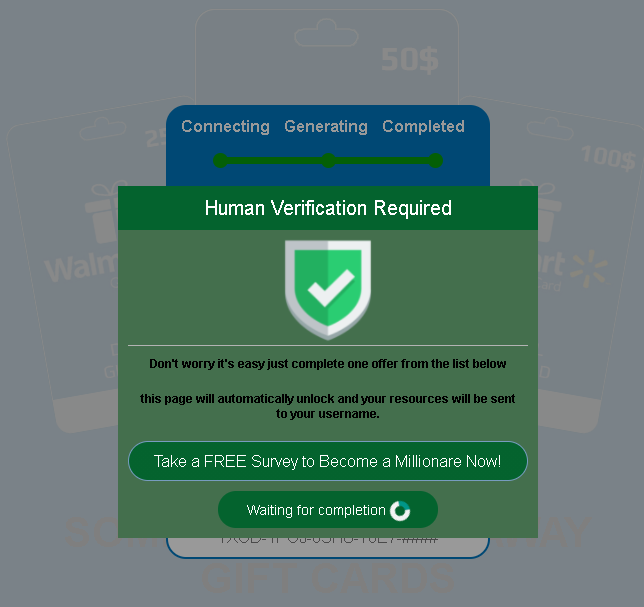
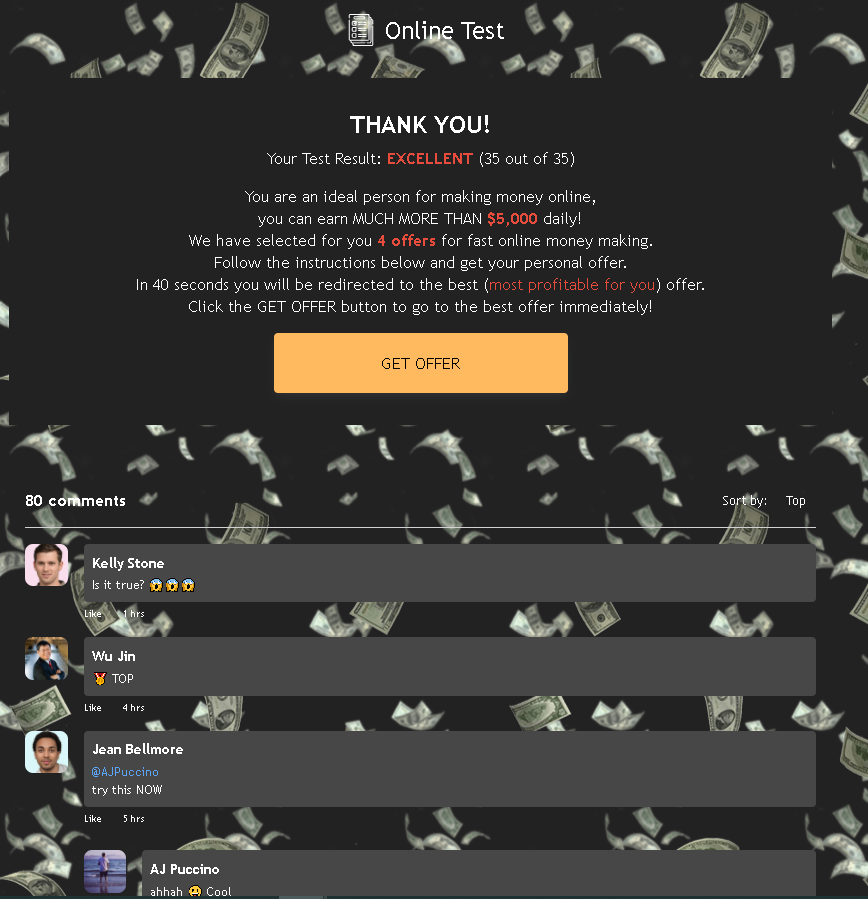
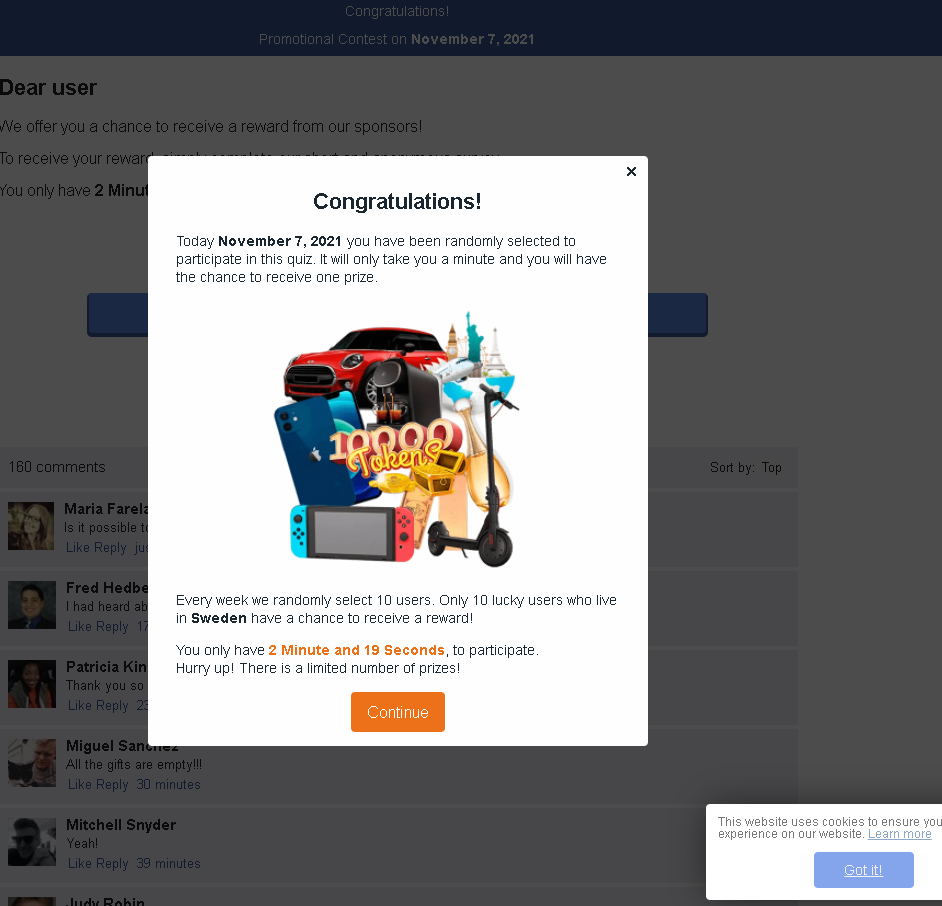
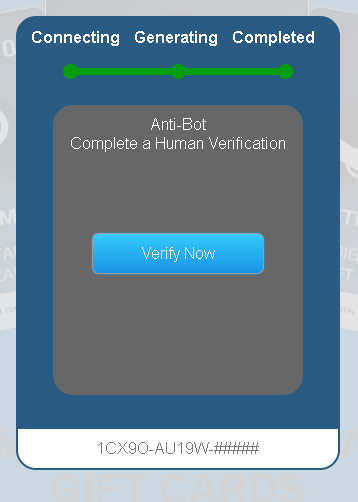
These multiple screenshots show a classic “Walmart Gift Card Giveaway” scam, combined with a fake “online test” and “human verification” loop. The entire flow is designed to trick victims into completing surveys, providing personal information, or signing up for paid offers – with no gift card ever being delivered.
Threat Analysis: Walmart Gift Card Giveaway Scam – Survey / Lead Generation Fraud
How the scam works:
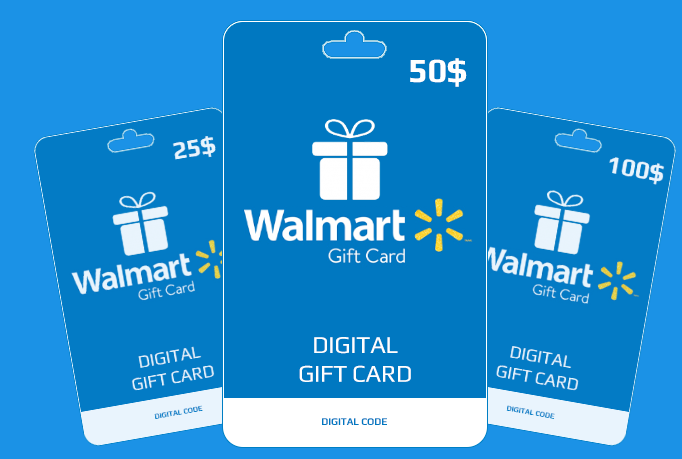
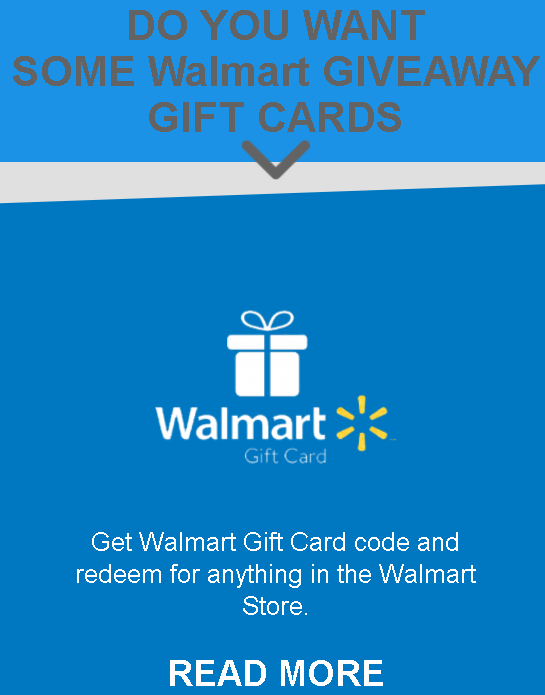
The Lure (Screenshots with Walmart gift cards) The victim sees an ad or receives a link promising a free Walmart gift card ($25, $50, or $100). The page displays images of gift cards with “DIGITAL CODE” labels.
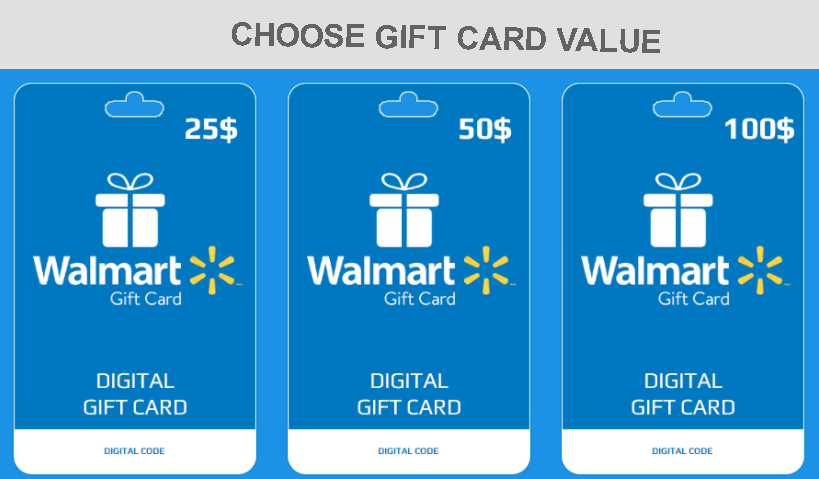
The “Choose Value” Page The victim is asked to select a gift card value ($25, $50, or $100). This creates a sense of choice and personalization.
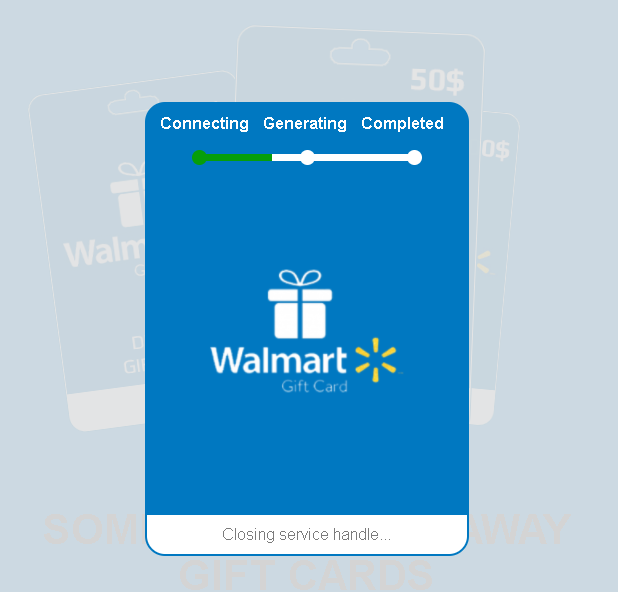
Fake “Connecting – Generating – Completed” Progress A loading animation simulates a “generator” process, showing fake progress bars and messages like “Closing service handle…”
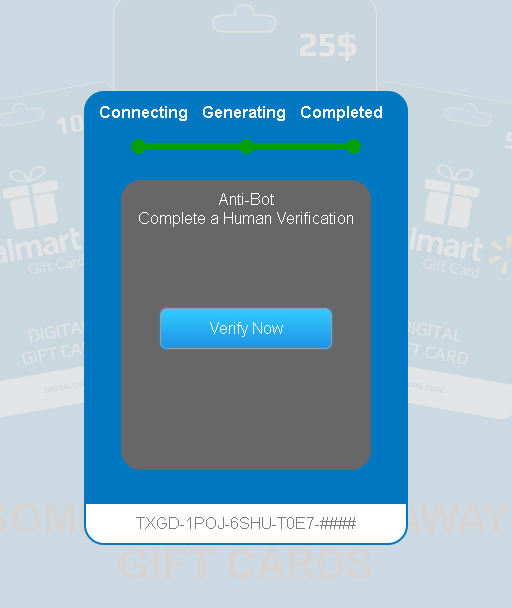
Anti‑Bot / Human Verification The victim is told they need to complete a “human verification” to prove they are not a bot. A fake verification code is displayed.
“Take a FREE Survey to Become a Millionaire” The victim is redirected to a page claiming they need to complete a survey or offer to unlock the gift card. This is the actual money‑making step for the scammers (affiliate fraud).
Fake Online Test (Multiple pages with questions) The victim is taken through a series of questions about age, income, employment, financial goals, investment experience, etc. These questions are designed to profile the victim for targeted offers.
“Excellent” Test Result & Redirect After answering all questions, the victim is told they scored “EXCELLENT” and can earn “MUCH MORE THAN $5,000 daily.” They are then redirected to paid offers, subscription traps, or data harvesting forms.
The goal: The attacker earns money through:
Affiliate commissions – when victims sign up for paid offers, credit monitoring services, or loan applications
Lead generation – collecting personal data (name, email, phone, income level) to sell to marketers or other scammers
Credit card harvesting – if the final offers require payment details
Survey completion fees – each completed survey generates revenue for the scammer
Red flags to watch for:
Free gift card promise: Walmart does not give away gift cards through random online quizzes or “generators.”
Fake progress bars and verification codes: These are visual tricks to make the process seem technical and legitimate.
Endless loop of questions and offers: After completing one “verification,” victims are often asked to complete another, with no gift card ever received.
Requests for personal information (age, income, employment): These are not needed to claim a gift card.
Fake comments and timestamps: The “80 comments” section with generic usernames and “1 hour ago” timestamps is fabricated to create social proof.
Cookie notice: The presence of a cookie consent pop‑up is an attempt to look like a legitimate website.
What to do if you encounter this:
Do not click any buttons, answer any questions, or provide any personal information.
Do not enter any credit card details or sign up for any offers.
Close the page immediately. No legitimate gift card giveaway requires completing surveys or offers.
If you have already entered payment information, contact your bank immediately.
Protective measures:
Remember: if it seems too good to be true, it is a scam. Walmart does not give away free gift cards through random websites.
Never complete “human verification” offers – these are always scams designed to generate affiliate revenue or steal data.
Use an ad blocker to avoid such scam ads.
Do not trust fake comments – scammers can easily fabricate likes, replies, and timestamps.
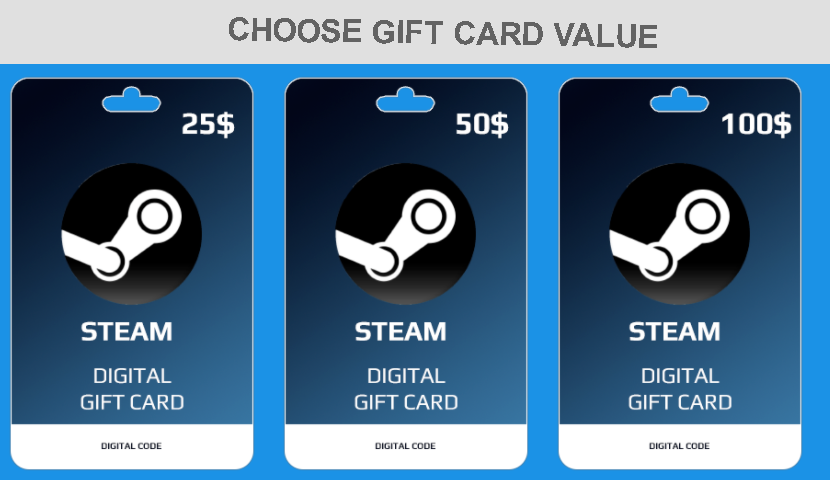
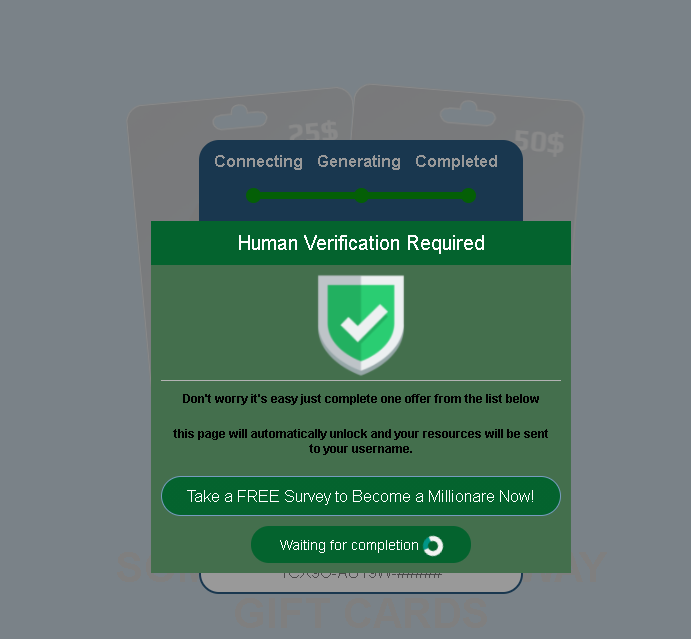
A phishing campaign targeting Steam users with fake digital gift cards that steal credentials and 2FA codes for full account takeover. Scammers utilize realistic clones of the Steam login page and real-time Steam Guard code interception to hijack accounts and steal virtual items.
Analysis Memo: This deceptive layout was intercepted, verified, and locked down firsthand by the Antiphishing.biz security team during our daily link moderation procedures. To protect the public, the phishing source domain has been fully defanged within our infrastructure. We document and analyze these live visual patterns to help security researchers and users spot lookalike phishing methods before financial damage occurs.
Figure 1: Verified screenshot of the ongoing fraudulent campaign isolated on our infrastructure.Figure 2: Verified screenshot of the ongoing fraudulent campaign isolated on our infrastructure.Figure 3: Verified screenshot of the ongoing fraudulent campaign isolated on our infrastructure.Figure 4: Verified screenshot of the ongoing fraudulent campaign isolated on our infrastructure.Figure 5: Verified screenshot of the ongoing fraudulent campaign isolated on our infrastructure.Figure 6: Verified screenshot of the ongoing fraudulent campaign isolated on our infrastructure.
The “Steam Digital Gift Card” and “Walmart Gift Card” cases exemplify a “Reward Baiting” social engineering attack designed to steal user credentials through fake verification steps. By promising high-value rewards, scammers lure victims into entering login data on phishing sites to gain full account access. Expert Security Tip: The “Free Reward” Verification Trap
The Trap: Attackers use convincing, high-quality landing pages to promise free $50-$100 gift cards, requiring users to complete “human verification” (surveys, app downloads) before stealing credentials via a fake login page.
Protection Method:
“No Free Lunch” Rule: Major brands do not offer high-value gift cards via third-party surveys; such offers are scams.
Verify Domain: Only trust official domains (e.g., steampowered.com); any variation is likely phishing.
Never Login via Reward Link: A requirement to log in to claim a gift is a direct credential theft attempt.
2FA Red Flag: Never enter a 2FA code (Steam Guard/SMS) to claim a reward, as this authorizes a threat actor’s login.
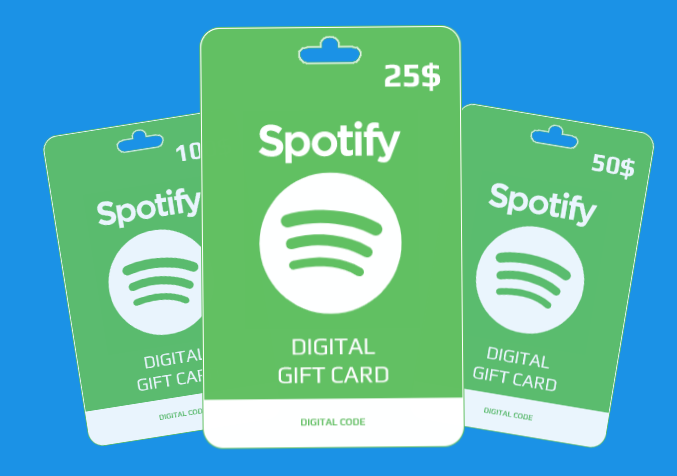
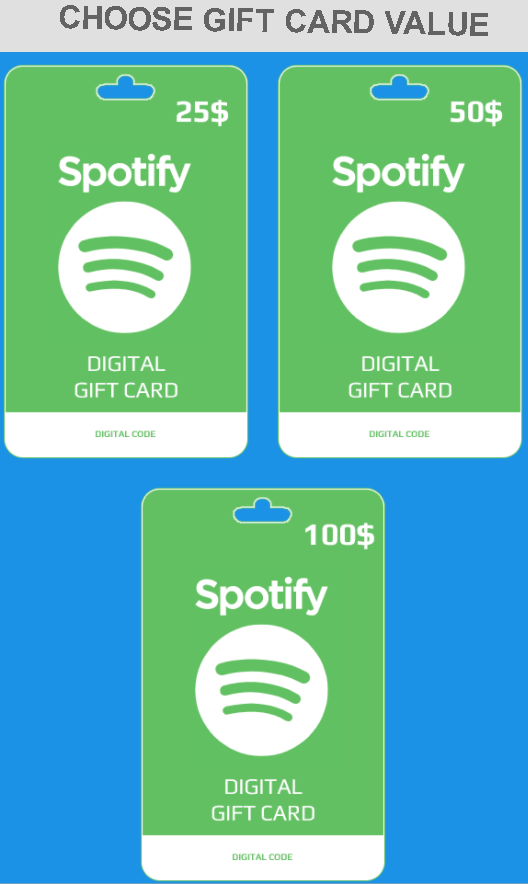
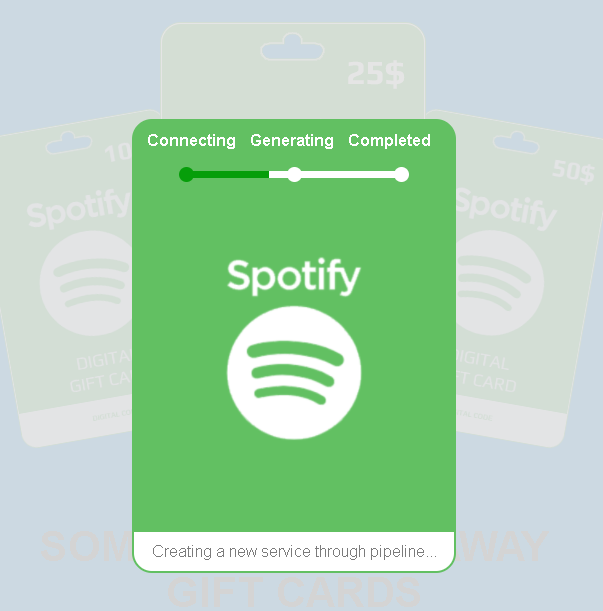
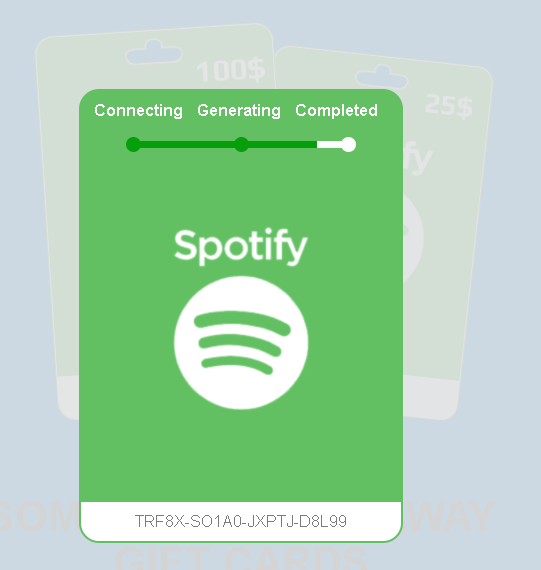
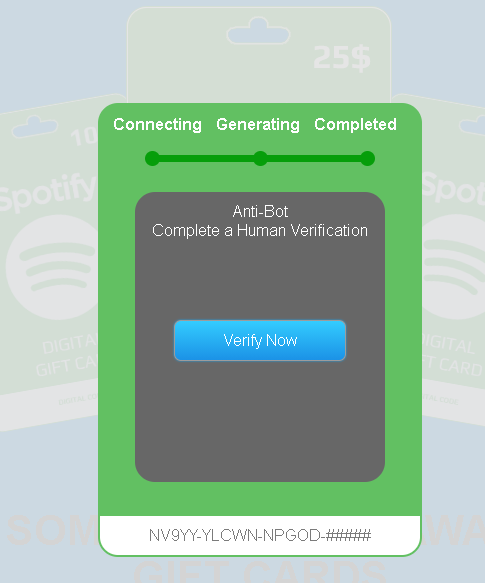
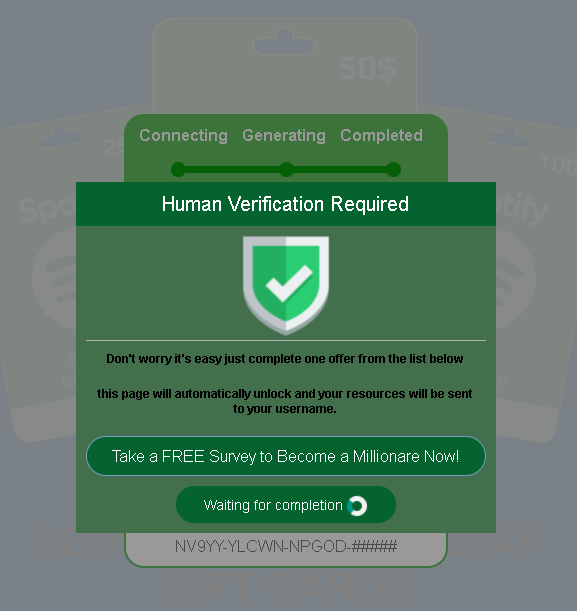
The fake Spotify digital gift card scam targets users with fraudulent, high-value offers, utilizing social engineering and fake login pages to steal account credentials and payment information. This campaign employs a survey-based approach that mimics official Spotify branding, often tricking users into providing credit card details for a fictitious “verification fee.”
Incident Report: This deceptive layout was intercepted, verified, and locked down firsthand by the Antiphishing.biz security team during our standard URL vetting operations. To protect the public, the dangerous destination URL has been fully defanged within our infrastructure. We document and analyze these live visual patterns to help security researchers and users detect replica fraud techniques before financial damage occurs.
Figure 1: Visual proof of the active phishing operation isolated on our infrastructure.Figure 2: Visual proof of the active phishing operation isolated on our infrastructure.Figure 3: Visual proof of the active phishing operation isolated on our infrastructure.Figure 4: Visual proof of the active phishing operation isolated on our infrastructure.Figure 5: Visual proof of the active phishing operation isolated on our infrastructure.Figure 6: Visual proof of the active phishing operation isolated on our infrastructure.Figure 7: Visual proof of the active phishing operation isolated on our infrastructure.
This case highlights a reward-based credential harvesting tactic, where scammers leverage fake Spotify gift card promotions to steal user credentials through phony “human verification” steps. The scam uses, high-quality phishing sites to capture email and password combinations, emphasizing the need to verify domains and avoid logging in through third-party reward links.
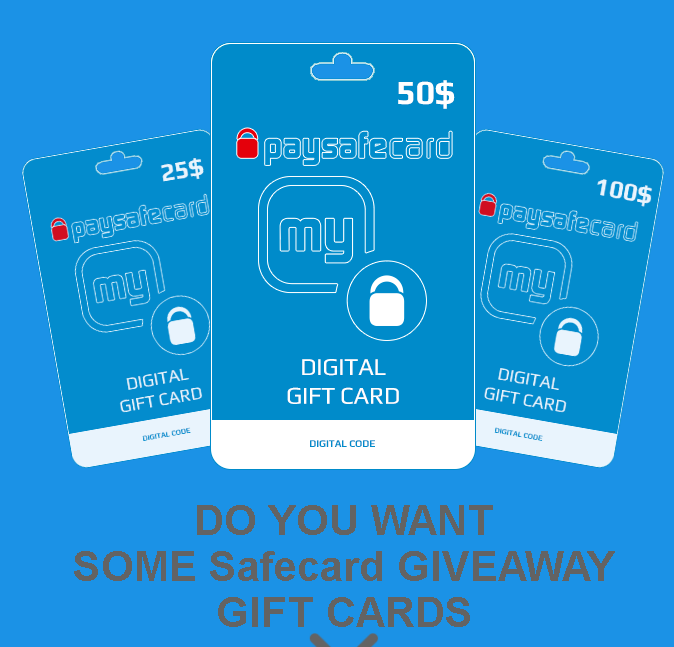
The fake paysafecard gift campaign uses a “Reward Generator” scam, promising high-value codes in exchange for “human verification” tasks to steal credentials and drive ad fraud. This social engineering tactic relies on fake “live chat” feeds and a “no free lunch” illusion to lure users into submitting personal data or authorizing third-party logins.
Analysis Memo: This spoofed page was intercepted, verified, and locked down firsthand by the Antiphishing.biz security team during our daily link moderation procedures. To protect the public, the hostile origin link has been safely deactivated within our infrastructure. We document and analyze these live visual patterns to help security researchers and users detect replica fraud techniques before financial damage occurs.
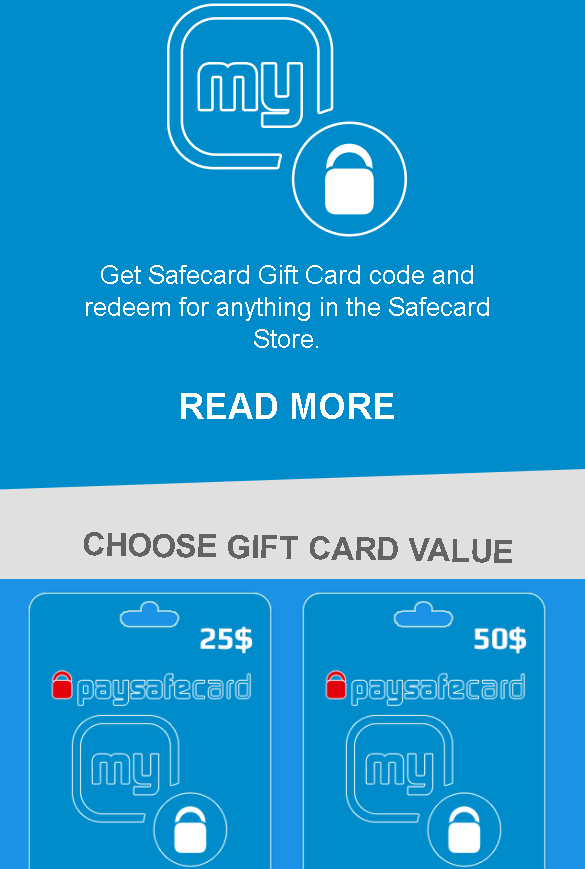
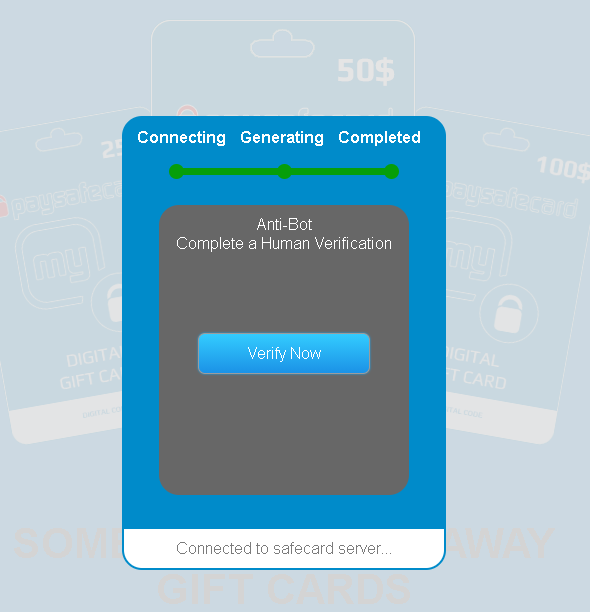
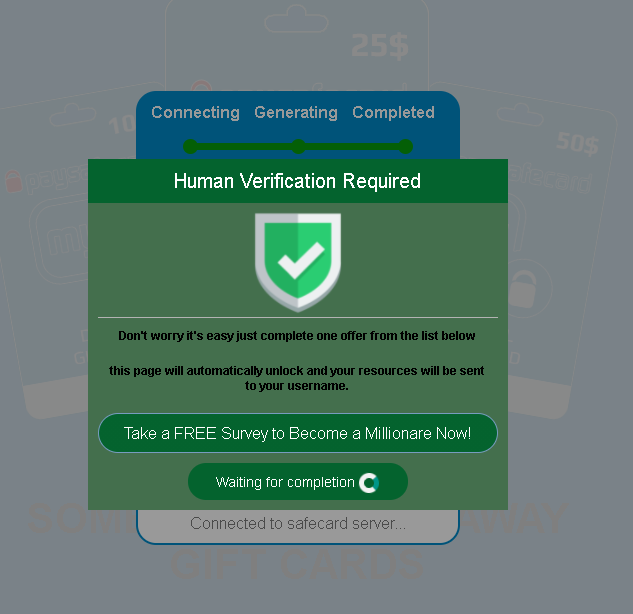
Figure 1: Verified screenshot of the ongoing fraudulent campaign isolated on our infrastructure.Figure 2: Verified screenshot of the ongoing fraudulent campaign isolated on our infrastructure.Figure 3: Verified screenshot of the ongoing fraudulent campaign isolated on our infrastructure.Figure 4: Verified screenshot of the ongoing fraudulent campaign isolated on our infrastructure.
These screenshots show a Paysafecard giveaway scam, using the exact same “generator” and “human verification” template as the Walmart gift card scam. The victim is lured with promises of free digital codes for Paysafecard (a popular prepaid payment method), then trapped in an endless loop of surveys and offers.
Threat Analysis: Paysafecard Gift Card Generator Scam – Survey / Lead Generation Fraud
How the scam works:
The Lure – The victim sees an ad or link promising a free Paysafecard gift card (€25, €50, or €100). The page shows images of Paysafecard and “DIGITAL GIFTCARD” labels.
Choosing the Value – The victim is asked to select a card value, creating a sense of choice and personalization.
Fake “Connecting / Generating / Completed” Process – Animated progress bars simulate a code generator, showing messages like “Connected to safecard server…” to appear technical and legitimate.
Anti‑Bot / Human Verification – A fake verification step appears (“Anti-Bot – Complete a Human Verification”). The victim is asked to click “Verify Now” and is then told to complete an offer or survey to unlock the code.
“Take a FREE Survey to Become a Millionaire” – The victim is redirected to a page claiming they need to complete a survey or sign up for an offer. This is the actual money‑making step for the scammers (affiliate fraud).
The goal: The attacker earns money through:
Affiliate commissions – each time a victim signs up for a paid offer, loan application, or subscription service
Lead generation – collecting personal data (name, email, phone, address) to sell to marketers
Credit card harvesting – if the final offers require payment details
No Paysafecard code is ever generated or delivered.
Red flags to watch for:
Free Paysafecard promise: Paysafecard does not give away codes through online generators. Any such offer is a scam.
Fake progress bars and verification steps: These are visual tricks to make the process seem real.
“Human Verification” redirecting to surveys: Legitimate verification does not require completing marketing offers.
No actual code displayed: After all steps, the victim never receives a valid Paysafecard code.
Poor design and generic “Connected to safecard server” messages: Official Paysafecard services use professional interfaces, not fake loading screens.
What to do if you encounter this:
Do not click any buttons, answer any questions, or provide any personal information.
Do not complete any surveys or offers.
Close the page immediately. No legitimate giveaway requires surveys or “human verification” offers.
If you have already entered payment information, contact your bank immediately.
Protective measures:
Remember: if it seems too good to be true, it is a scam. Paysafecard codes are bought, not given away through random generators.
Never complete “human verification” offers – these are always scams designed to generate affiliate revenue or steal data.
Only obtain Paysafecard codes from official retailers or the Paysafecard website.
Fake digital gift card generators for services like iTunes, Spotify, and paysafecard use “reward baiting” to drive victims toward “human verification” pages that steal login credentials and distribute malware. These social engineering tactics deceptive tactic user commitment to bypass critical thinking, requiring vigilance against fraudulent URLs and requests for account authentication.
Security Notice: This malicious interface was intercepted, verified, and locked down firsthand by the Antiphishing.biz security team during our standard URL vetting operations. To protect the public, the dangerous destination URL has been fully defanged within our infrastructure. We document and analyze these live visual patterns to help security researchers and users spot lookalike phishing methods before financial damage occurs.
Figure 1: Live screenshot of the live scam infrastructure isolated on our infrastructure.Figure 2: Live screenshot of the live scam infrastructure isolated on our infrastructure.Figure 3: Live screenshot of the live scam infrastructure isolated on our infrastructure.Figure 4: Live screenshot of the live scam infrastructure isolated on our infrastructure.Figure 5: Live screenshot of the live scam infrastructure isolated on our infrastructure.
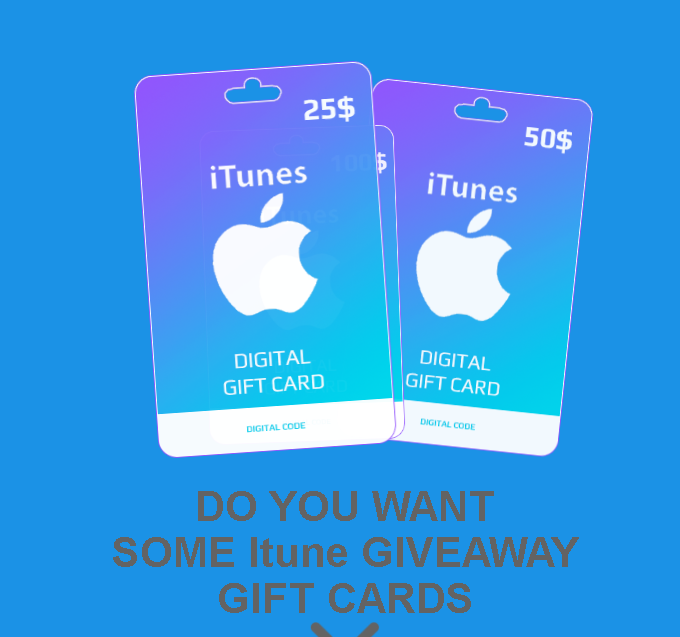
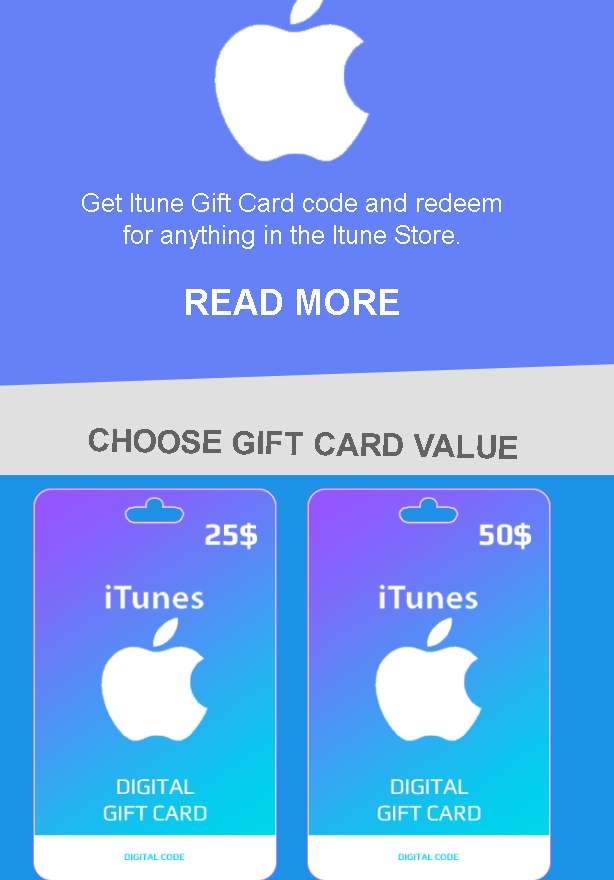
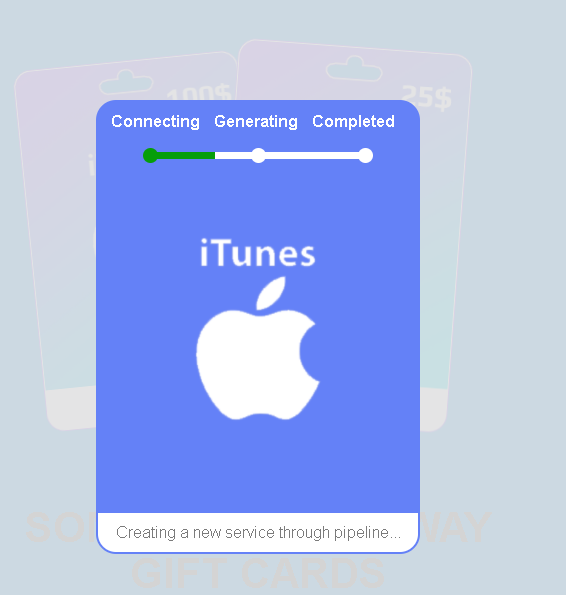
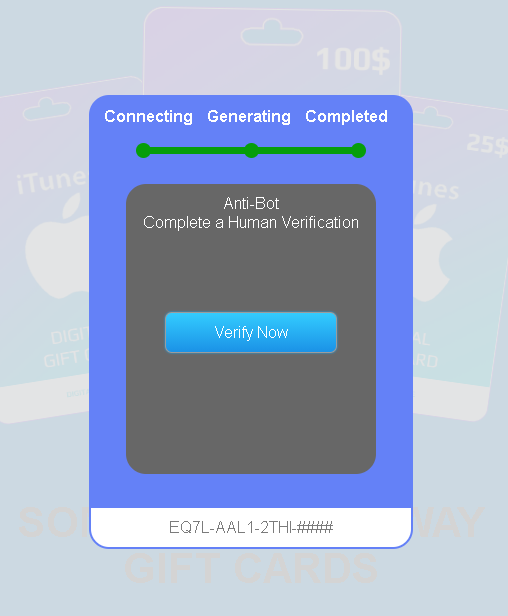
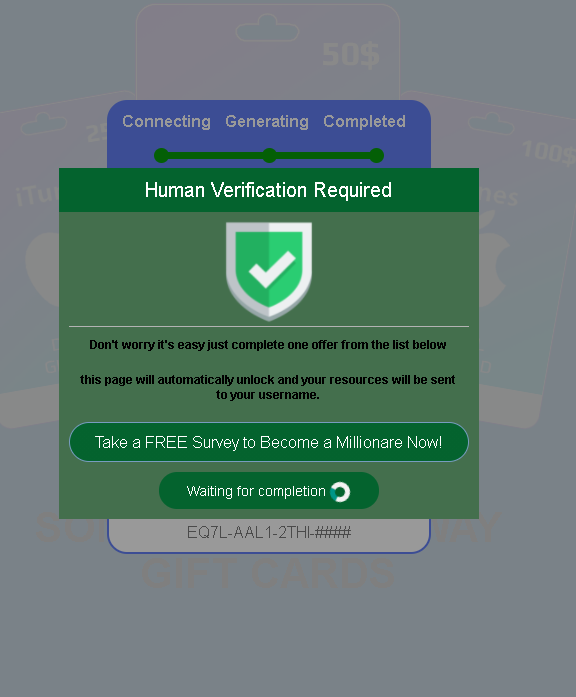
These screenshots show an iTunes Gift Card generator scam, following the same template as the Walmart and Paysafecard scams. The victim is lured with promises of free iTunes codes, then trapped in a fake “human verification” loop that leads to paid surveys and affiliate offers.
Threat Analysis: iTunes Gift Card Generator Scam – Survey / Lead Generation Fraud
How the scam works:
The Lure – The victim sees an ad or link promising a free iTunes gift card ($25 or $50). The page displays iTunes gift card images with “DIGITAL GIFTCARD” labels.
Choosing the Value – The victim is asked to select a card value ($25 or $50), creating a sense of choice.
Fake “Connecting / Generating / Completed” Process – Animated progress bars simulate a code generator. A fake code (e.g., “EQ7L-AAL1-2THI-#####”) is displayed to make the scam seem real.
Anti‑Bot / Human Verification – The victim is told to complete a “human verification” by clicking “Verify Now.” This leads to a page asking the victim to complete an offer or survey.
“Take a FREE Survey to Become a Millionaire” – The victim is redirected to survey pages or paid offer walls. This is where the scammer earns affiliate commissions.
The goal: The attacker earns money through:
Affiliate commissions – each time a victim signs up for a paid offer, subscription, or loan application
Lead generation – collecting personal data (name, email, phone, address) to sell to marketers
Credit card harvesting – if the offers require payment details
No iTunes gift card code is ever generated or delivered. The fake code displayed on the page is invalid.
Red flags to watch for:
Free iTunes gift card promise: Apple does not give away iTunes codes through online generators.
Fake progress bars and verification steps: These are visual tricks to mimic a legitimate process.
“Human Verification” redirecting to surveys: Real verification does not require completing marketing offers.
The same template as known scams: Identical layout to the Walmart and Paysafecard scams confirms it is fraudulent.
What to do if you encounter this:
Do not click any buttons, answer questions, or provide personal information.
Do not complete any surveys or offers.
Close the page immediately.
If you have already entered payment information, contact your bank immediately.
Protective measures:
Remember: legitimate gift cards are purchased, not generated.
Never complete “human verification” offers – these are always scams.
Only obtain iTunes gift cards from Apple, the App Store, or authorized retailers.
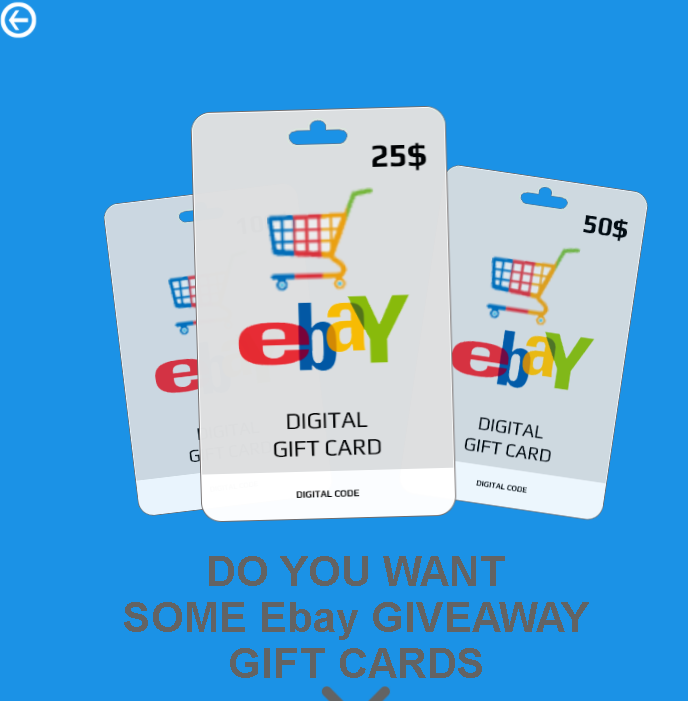
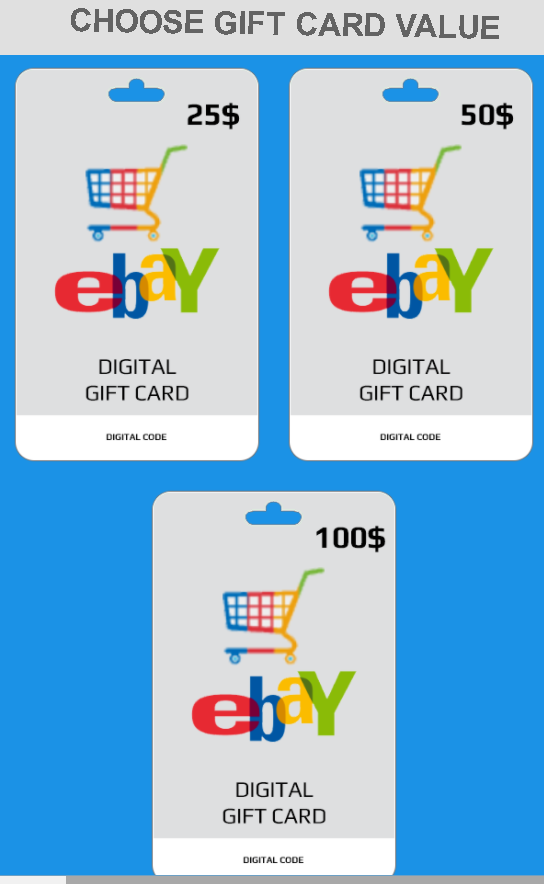
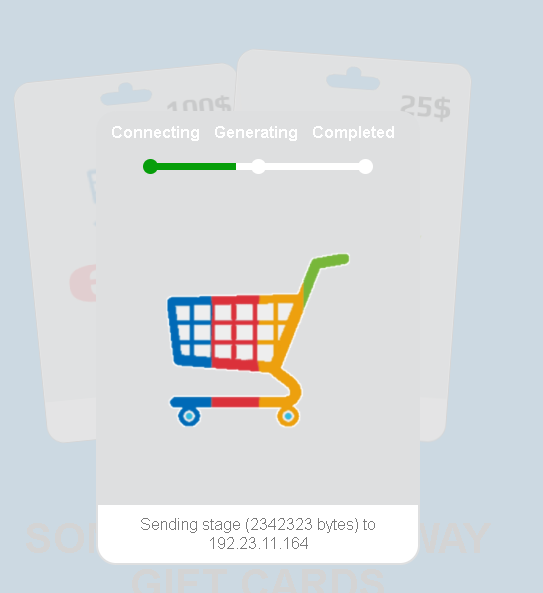
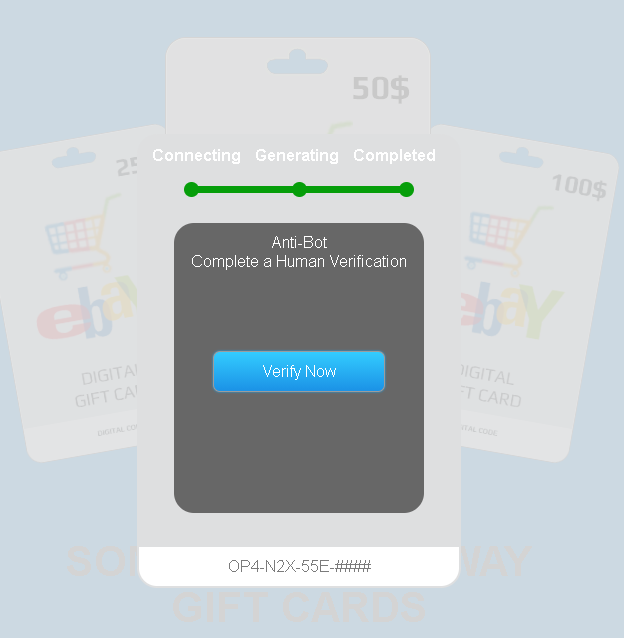
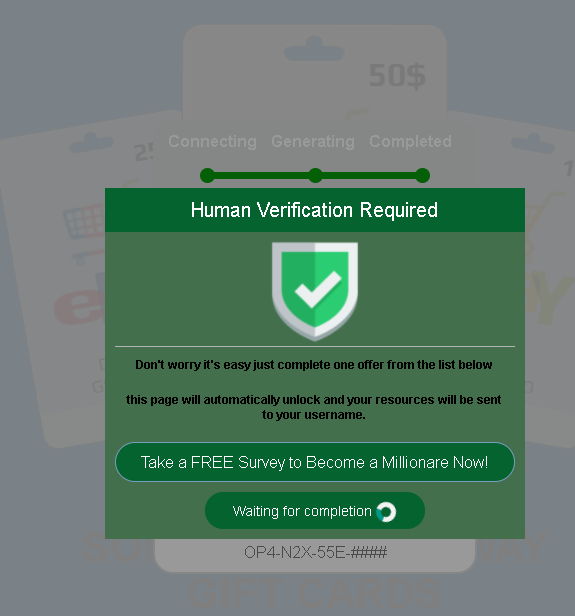
These screenshots show an eBay Gift Card generator scam, using the exact same template as the previous Walmart, Paysafecard, and iTunes scams. The victim is promised a free eBay gift card ($25, $50, or $100), then trapped in a fake “human verification” loop that leads to paid surveys and affiliate offers.
Security Notice: This malicious interface was intercepted, verified, and locked down firsthand by the Antiphishing.biz security team during our standard URL vetting operations. To protect the public, the dangerous destination URL has been completely disabled within our infrastructure. We document and analyze these live visual patterns to help security researchers and users recognize deceptive clone designs before financial damage occurs.
Figure 1: Live screenshot of the ongoing fraudulent campaign isolated on our infrastructure.Figure 2: Live screenshot of the ongoing fraudulent campaign isolated on our infrastructure.Figure 3: Live screenshot of the ongoing fraudulent campaign isolated on our infrastructure.Figure 4: Live screenshot of the ongoing fraudulent campaign isolated on our infrastructure.Figure 5: Live screenshot of the ongoing fraudulent campaign isolated on our infrastructure.
Threat Analysis: eBay Gift Card Generator Scam – Survey / Lead Generation Fraud
How the scam works:
The Lure – The victim sees an ad or link promising a free eBay gift card. The page displays eBay gift card images with “DIGITAL GIFT CARD” and “DIGITAL CODE” labels.
Choosing the Value – The victim is asked to select a card value ($25, $50, or $100), creating a sense of choice.
Fake “Connecting / Generating / Completed” Process – Animated progress bars and fake technical messages (“Sending stage (2342323 bytes) to 192.23.11.164”) simulate a code generator. A fake code (e.g., “OP4-N2X-55E-####”) is displayed to make the scam seem real.
Anti‑Bot / Human Verification – The victim is told to complete a “human verification” by clicking “Verify Now.” This leads to a page asking the victim to complete an offer or survey.
Survey / Offer Walls – The victim is redirected to paid surveys, subscription offers, or data collection forms. This is where the scammer earns affiliate commissions.
The goal: The attacker earns money through:
Affiliate commissions – each time a victim signs up for a paid offer, subscription, or loan application
Lead generation – collecting personal data (name, email, phone, address) to sell to marketers
Credit card harvesting – if the offers require payment details
No eBay gift card code is ever generated or delivered. The fake code displayed is invalid.
Red flags to watch for:
Free eBay gift card promise: eBay does not give away gift cards through online generators.
Fake progress bars and technical messages: These are visual tricks to mimic a legitimate process.
“Human Verification” redirecting to surveys: Real verification does not require completing marketing offers.
Identical template to known scams: The same layout as Walmart, Paysafecard, and iTunes scams confirms it is fraudulent.
What to do if you encounter this:
Do not click any buttons, answer questions, or provide personal information.
Do not complete any surveys or offers.
Close the page immediately.
If you have already entered payment information, contact your bank immediately.
Protective measures:
Remember: legitimate gift cards are purchased, not generated.
Never complete “human verification” offers – these are always scams.
Only obtain eBay gift cards from eBay or authorized retailers.
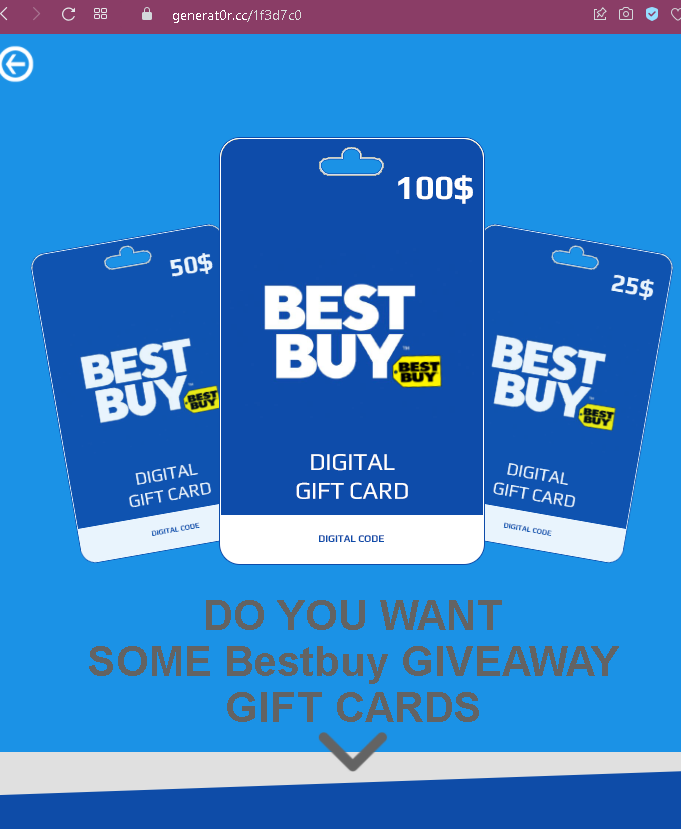
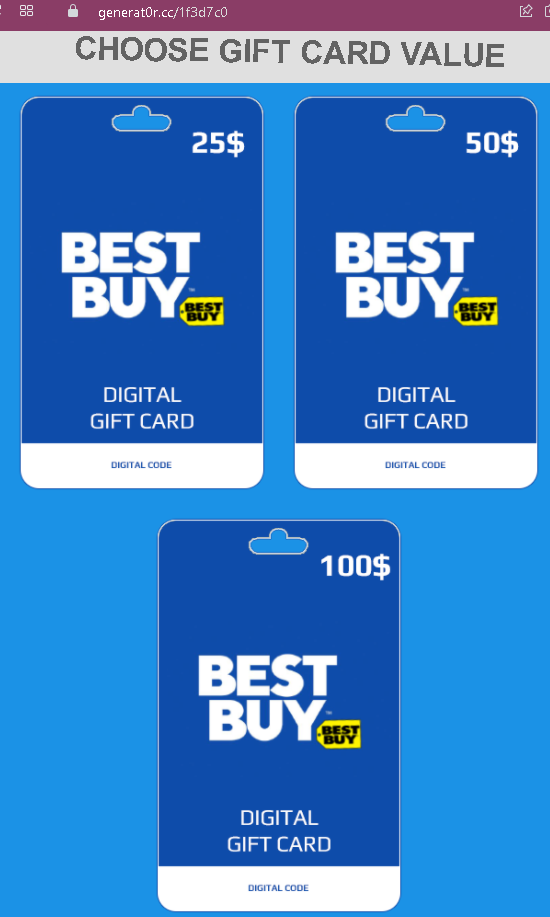
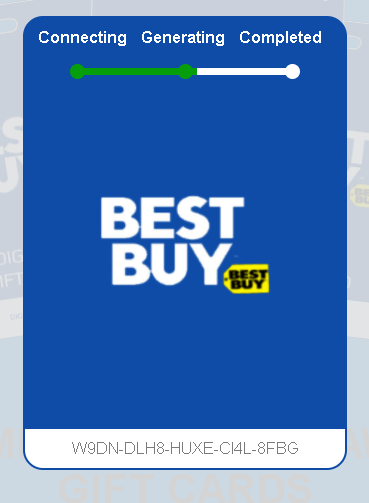
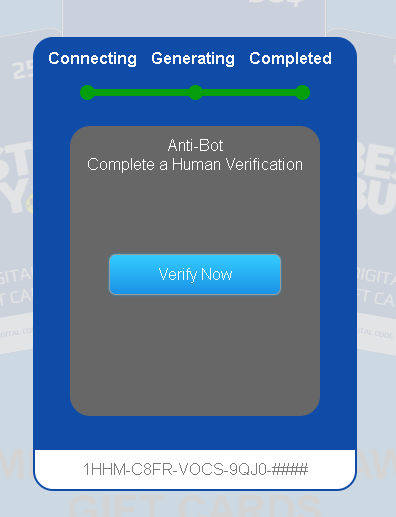
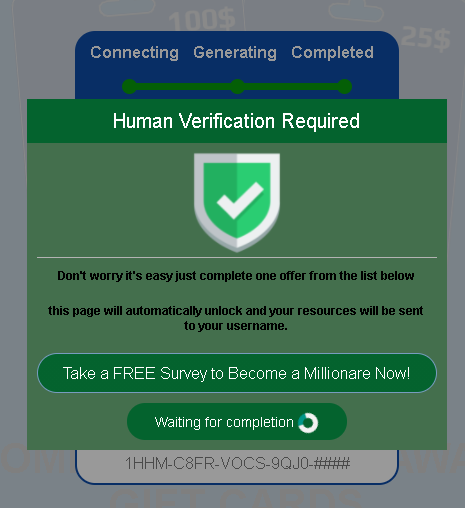
This screenshot shows a Best Buy Gift Card generator scam, using the identical template as the previous Walmart, iTunes, eBay, and Paysafecard scams. The victim is promised a free Best Buy gift card ($25, $50, or $100) and then trapped in a fake “human verification” loop leading to paid surveys and affiliate offers.
Analysis Memo: This malicious interface was logged, cross-checked, and neutralized firsthand by the Antiphishing.biz security team during our automated link scanning workflows. To protect the public, the dangerous destination URL has been safely deactivated within our infrastructure. We document and analyze these live visual patterns to help security researchers and users recognize deceptive clone designs before financial damage occurs.
Figure 1: Verified screenshot of the active phishing operation captured during routine moderation.Figure 2: Verified screenshot of the active phishing operation captured during routine moderation.Figure 3: Verified screenshot of the active phishing operation captured during routine moderation.Figure 4: Verified screenshot of the active phishing operation captured during routine moderation.Figure 5: Verified screenshot of the active phishing operation captured during routine moderation.
Threat Analysis: Best Buy Gift Card Generator Scam – Survey / Lead Generation Fraud
How the scam works:
The Lure – The victim sees an ad or link promising a free Best Buy gift card. The page displays Best Buy gift card images with “DIGITAL GIFTCARD” and “DIGITALCODE” labels.
Choosing the Value – The victim is asked to select a card value ($25, $50, or $100), creating a false sense of choice.
Fake “Connecting / Generating / Completed” Process – Animated progress bars and a fake code (e.g., “1HHM-C8FR-VOCS-9QJ0-####” or “W9DN-DLH8-HUXE-CI4L-8FBG”) are displayed to simulate a working generator.
Anti‑Bot / Human Verification – The victim is told to complete a “human verification” by clicking “Verify Now.” This is the key trap.
“Take a FREE Survey to Become a Millionaire” – The victim is redirected to survey pages or paid offer walls. The scammer earns affiliate commissions for each completed survey or sign‑up.
The goal: The attacker earns money through:
Affiliate commissions – each time a victim signs up for a paid offer, subscription, or service
Lead generation – collecting personal data (name, email, phone, etc.) to sell
Credit card harvesting – if any offers request payment details
No Best Buy gift card code is ever generated or delivered. All displayed codes are fake.
Red flags to watch for:
Free Best Buy gift card promise: Best Buy does not give away gift cards through online generators.
Fake progress bars and technical messages: These are visual tricks to mimic a legitimate process.
“Human Verification” redirecting to surveys: Real verification never requires completing marketing offers.
Identical template to known scams: Same layout as Walmart, eBay, iTunes, and Paysafecard scams.
Suspicious domain: The URL contains generator.cc – a classic sign of a scam site.
What to do if you encounter this:
Do not click any buttons, answer questions, or provide personal information.
Do not complete any surveys or offers.
Close the page immediately.
If you have already entered payment information, contact your bank immediately.
Protective measures:
Remember: legitimate gift cards are purchased, not generated.
Never complete “human verification” offers – these are always scams.
Only obtain Best Buy gift cards from Best Buy stores, their official website, or authorized retailers.