
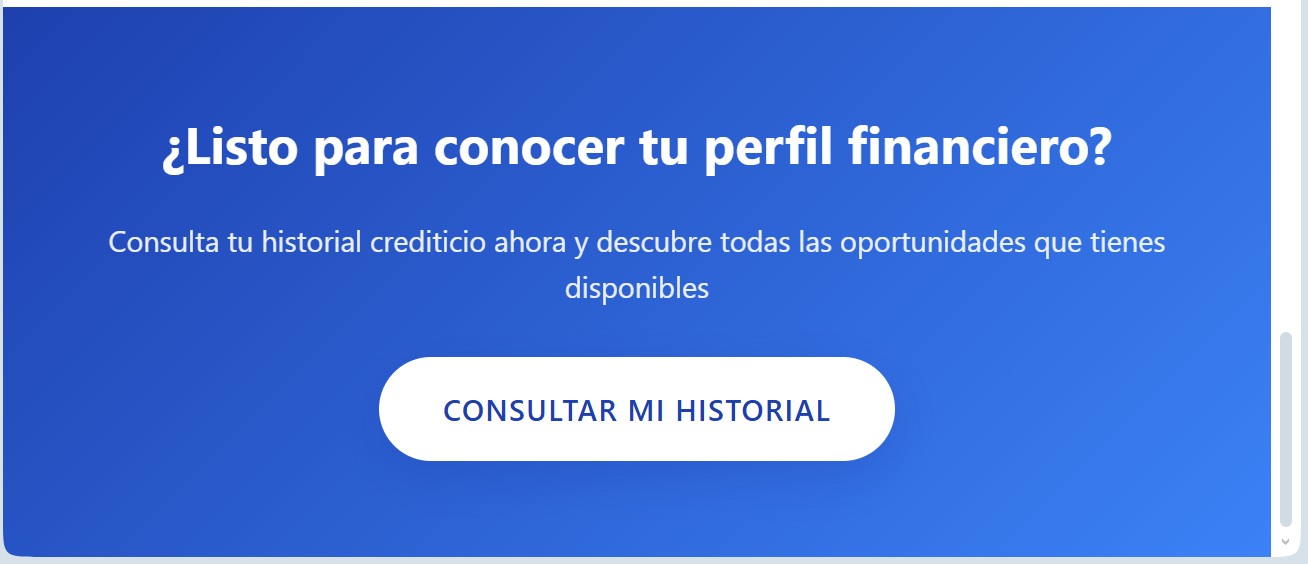
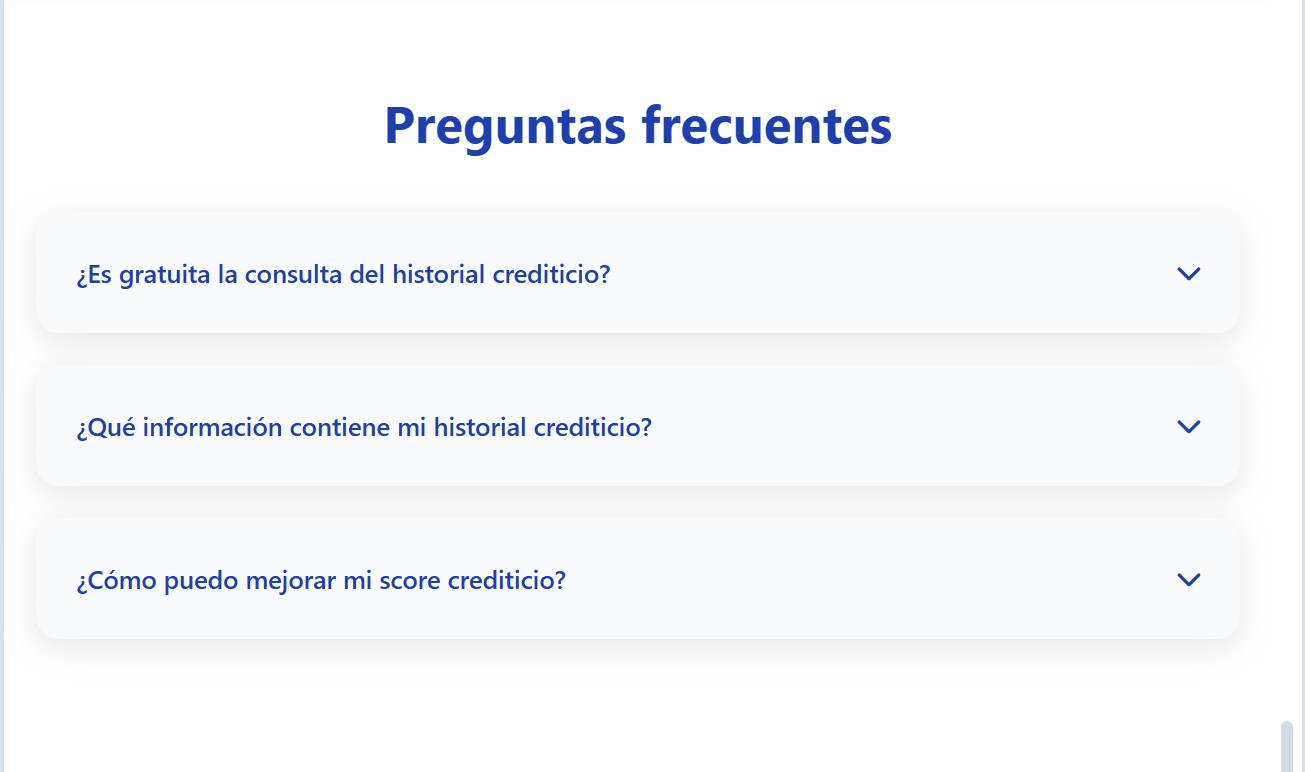
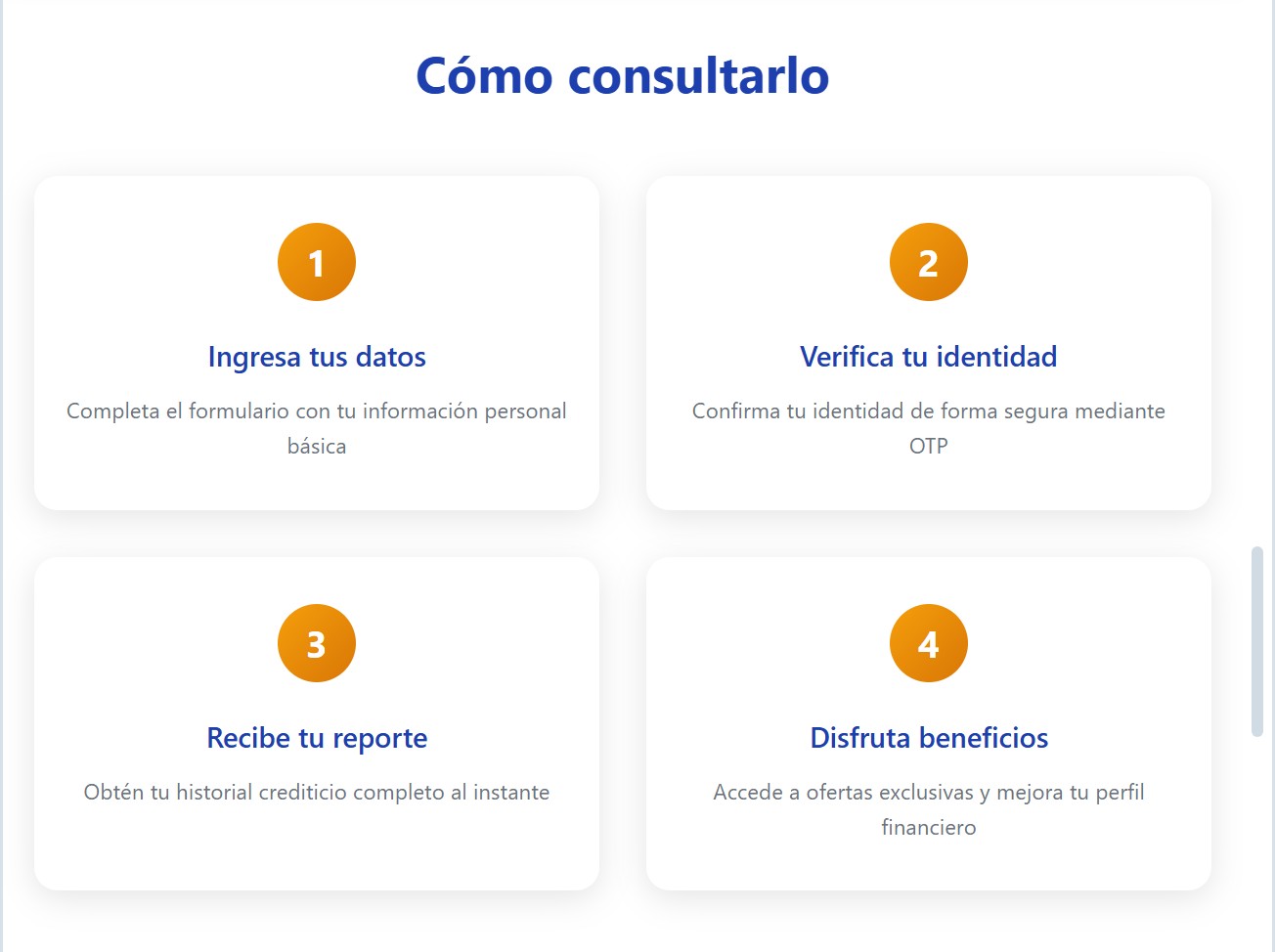
A sophisticated phishing campaign targeting Banco de Bogotá in Colombia uses deceptive “security update” messages to steal user credentials, including identification numbers and full credit card details. This fraudulent site imitates the official banking portal to bypass security checks and solicit sensitive information through high-pressure tactics.
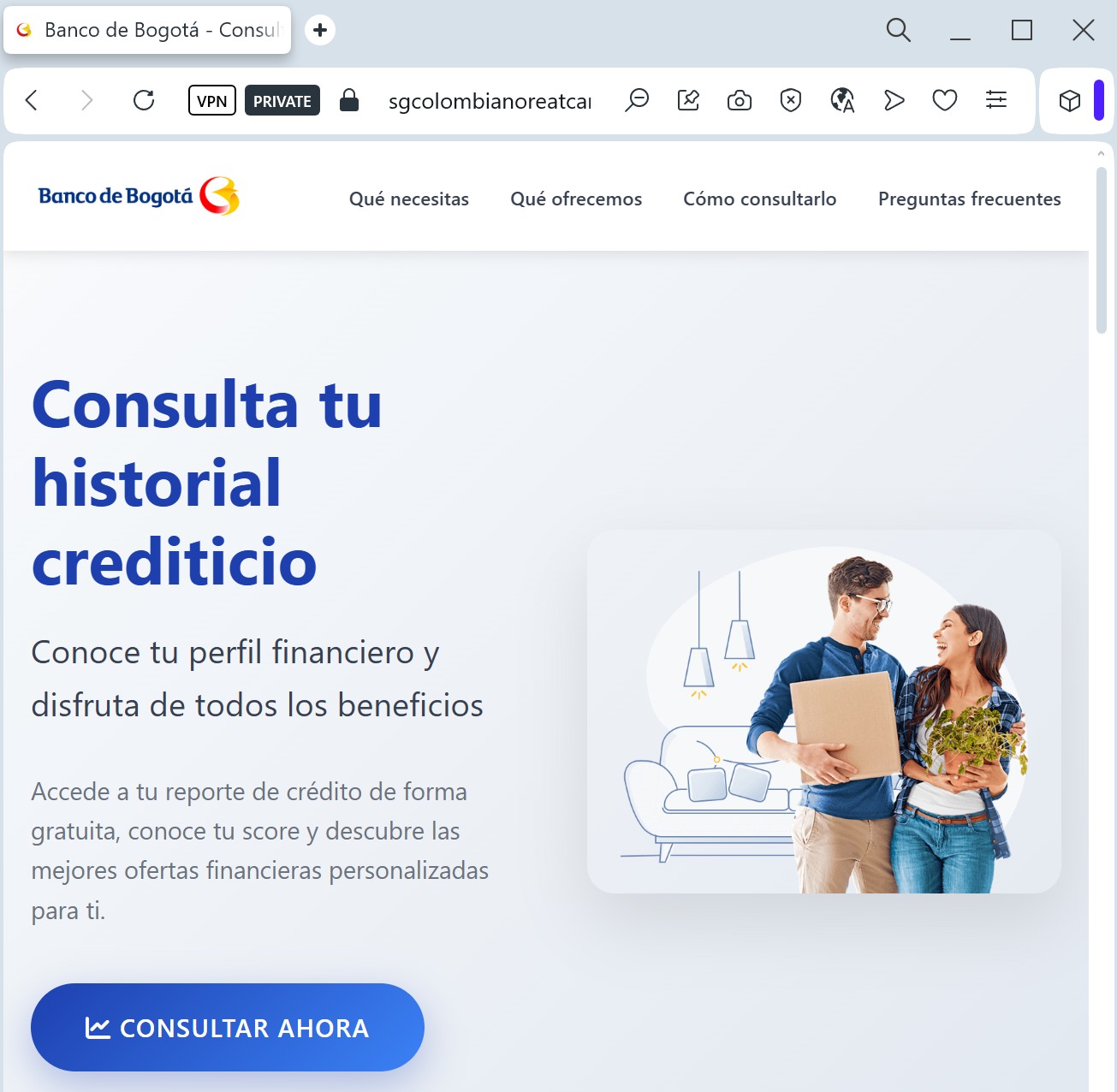
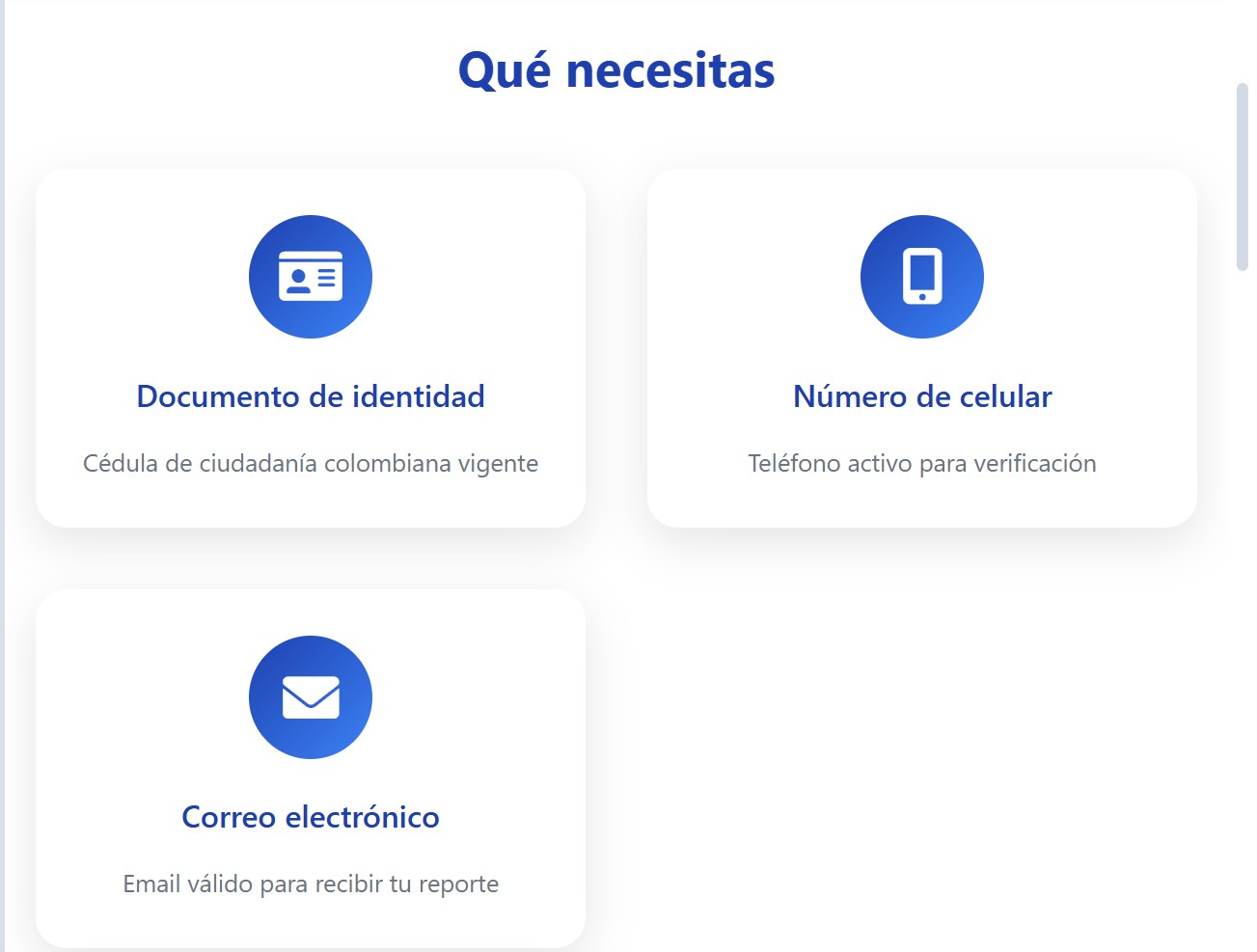
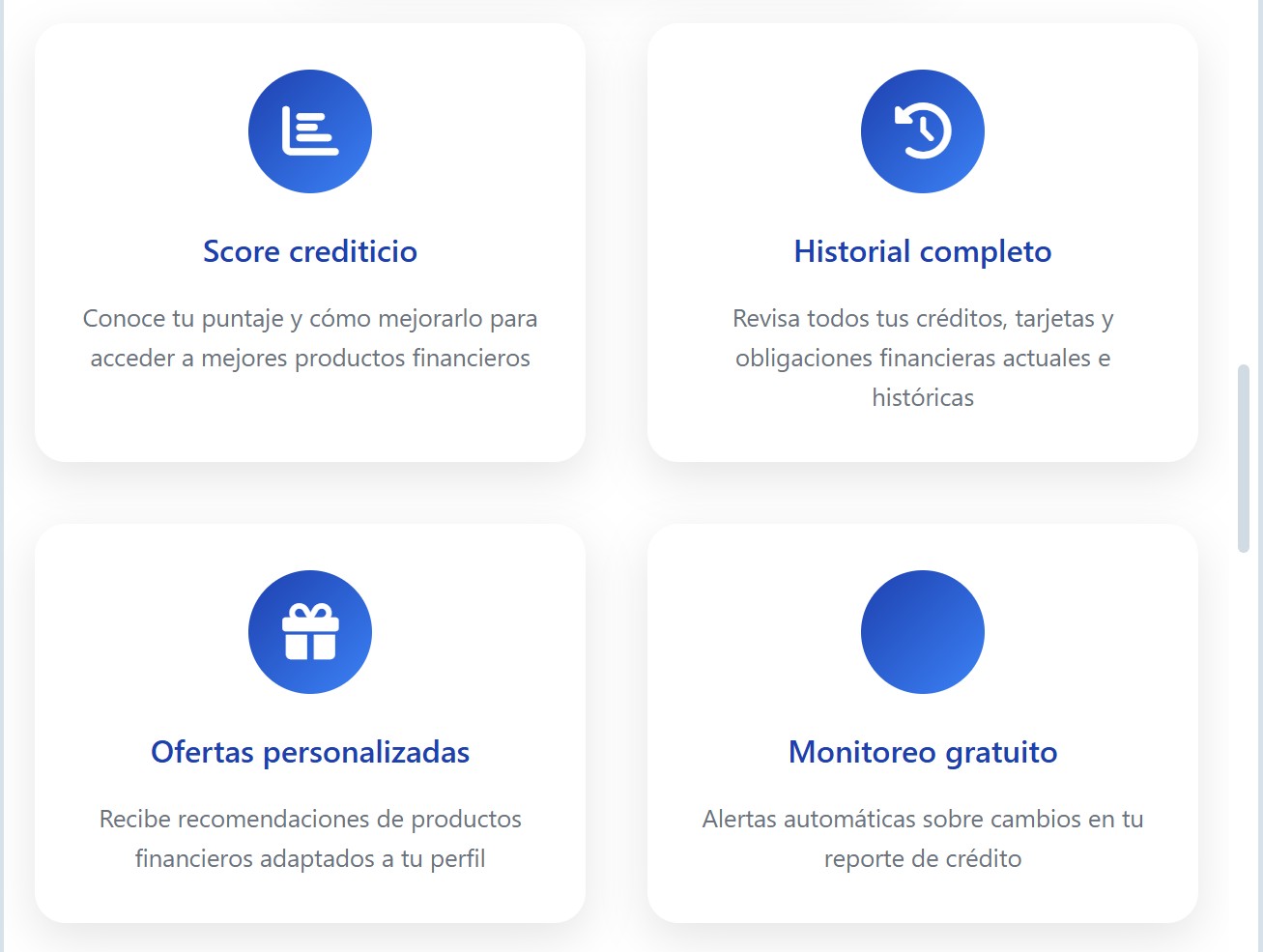
Target: Customers of Banco de Bogotá (Colombia)
Threat Level: High (Credit Card & Identity Theft)
Phishing Method Description
This attack uses Visual Impersonation to mimic the “Banca Virtual” (Virtual Banking) portal of Banco de Bogotá. Scammers typically distribute these links via SMS (Smishing) or Email, claiming that the user’s digital key has expired or that an “unusual transaction” requires immediate verification.
The fake site is designed to harvest:
Customer ID / Username (Documento de Identidad)
Online Banking Password
Token / OTP Codes (One-Time Passwords)
Full Debit/Credit Card Details (Number, Expiration Date, and CVV)
⚠️ Red Flags to Watch For
The URL Trap: The official domain is bancodebogota.com. Phishing links often use strange subdomains or lookalike addresses like bancodebogota-seguro.com, validar-bogota.net, or free hosting platforms.
Requesting the CVV: Real banking login pages never ask for your 3-digit CVV code (on the back of your card) just to log into your account. This is a clear sign of a credit card “skimmer.”
Mixed Languages/Broken Links: Often, the “Help” or “Contact Us” buttons on these fake pages lead nowhere or return a 404 error, as only the login form is functional.
🛡️ How to Protect Yourself
Type, Don’t Click: Always manually type ://bancodebogota.com into your browser address bar. Never click on links in SMS messages.
Verify the SMS Sender: Banco de Bogotá sends alerts from official short codes. If you receive a security alert from a regular 10-digit mobile number, it is 100% a scam.
Use the Official App: Perform all sensitive operations and balance checks through the official “Banca Móvil” app downloaded from the App Store or Google Play.
Identify Verification: If the site asks you to enter multiple codes from your Token one after another, close the page immediately. Scammers do this to perform unauthorized transfers in real-time.