
This screenshot shows an Arabic‑language phishing page impersonating Facebook, designed to steal login credentials (email/phone and password). The page is hosted on a suspicious domain and uses a fake registration or login prompt.
Incident Report: This scam layout was logged, cross-checked, and neutralized firsthand by the
Antiphishing.bizsecurity team during our automated link scanning workflows. To protect the public, the phishing source domain has been fully defanged within our infrastructure. We document and analyze these live visual patterns to help security researchers and users recognize deceptive clone designs before financial damage occurs.
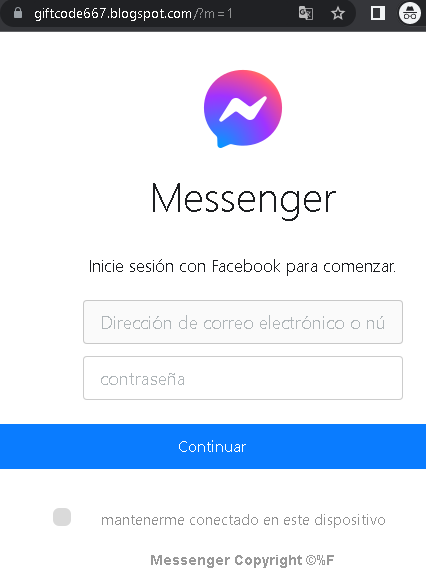
Threat Analysis: Facebook Phishing – Credential Harvesting
How it works:
The victim receives a phishing email, SMS, or social media message claiming a security alert, account suspension, or the need to verify their information. The link leads to this page, which mimics the Facebook login interface. The victim is asked to enter their email address or phone number and password, then click a button (likely labeled “login” or “register”). The credentials are captured and sent to the attacker.
The goal:
The attacker steals Facebook account credentials to:
- Access private messages and personal information
- Post spam, scams, or malicious links from a trusted account
- Spread the phishing attack to the victim’s friends
- Use the same email/password combination to compromise other accounts (if credentials are reused)
Red flags to watch for:
- Suspicious URL: The page is hosted on a domain like
نتجاهاص.xyzfacebook.com - Poor Arabic grammar / typos: The text contains errors and awkward phrasing that would not appear on an official Facebook page.
- Unsolicited login request: Facebook does not send links requiring users to log in to resolve account issues.
- Minimal design: The page lacks Facebook’s full branding, security notices, and two‑factor authentication options.
- No personalization: Genuine Facebook login pages often show a profile image or account selection after entering an email.
What to do if you encounter this:
- Do not enter your email/phone or password.
- If you have already entered your credentials, change your Facebook password immediately and enable two‑factor authentication (2FA).
- Always access Facebook by typing
facebook.com - Report the phishing page to Facebook (via the official reporting tools).
Protective measures:
- Bookmark the official Facebook login page and use that bookmark.
- Use a password manager – it will autofill only on legitimate
facebook.com - Enable two‑factor authentication on your Facebook account (using an authenticator app).
- Be suspicious of any unsolicited message that asks you to log in.