
The fake paysafecard gift campaign uses a “Reward Generator” scam, promising high-value codes in exchange for “human verification” tasks to steal credentials and drive ad fraud. This social engineering tactic relies on fake “live chat” feeds and a “no free lunch” illusion to lure users into submitting personal data or authorizing third-party logins.
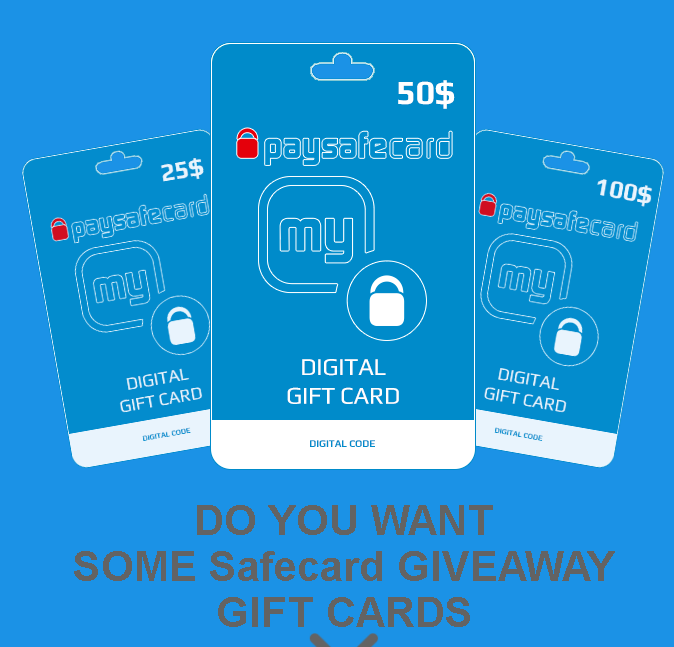
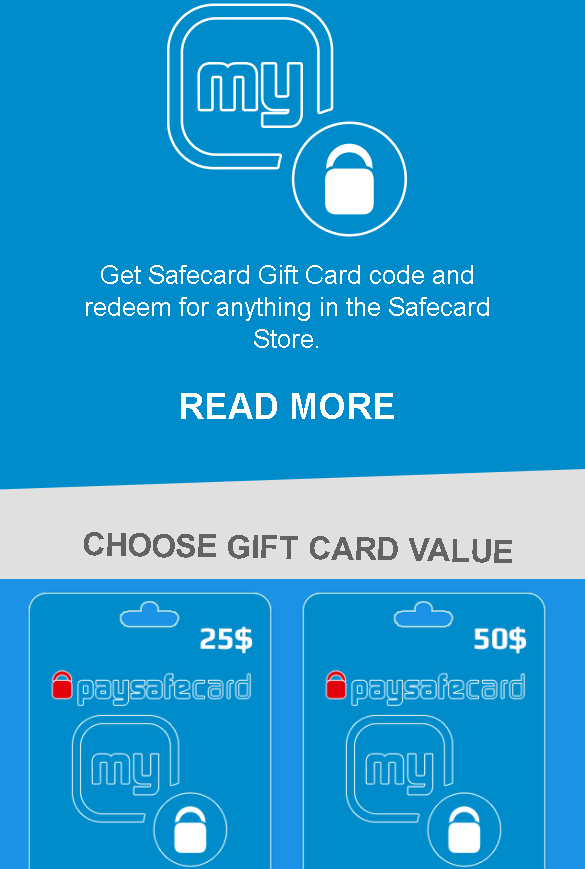
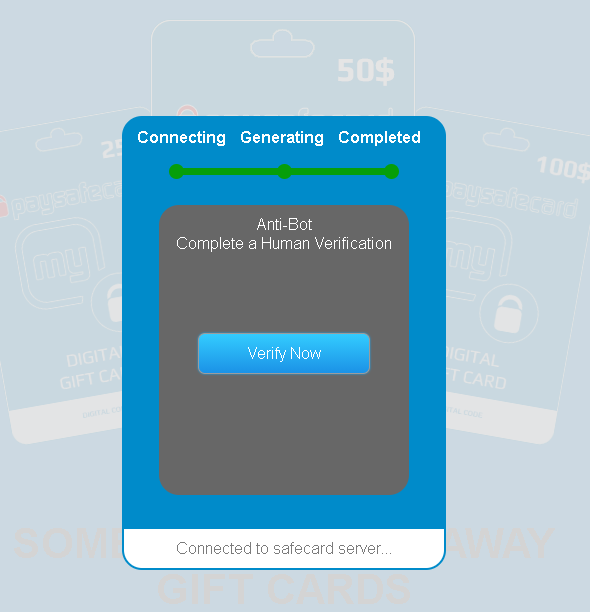
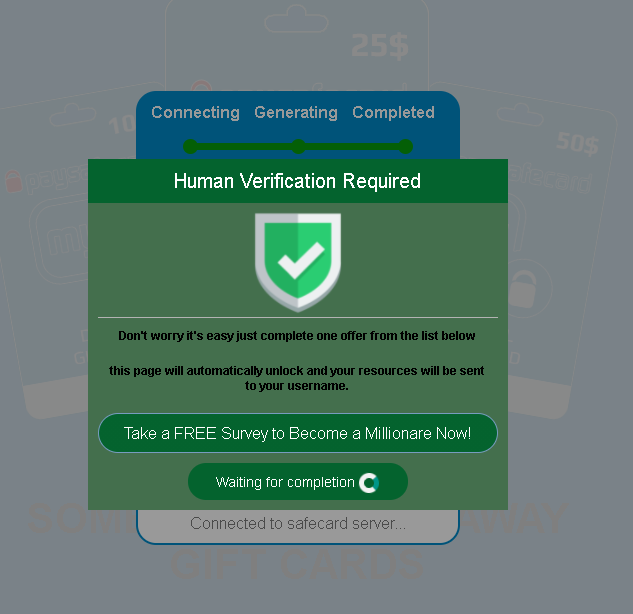
These screenshots show a Paysafecard giveaway scam, using the exact same “generator” and “human verification” template as the Walmart gift card scam. The victim is lured with promises of free digital codes for Paysafecard (a popular prepaid payment method), then trapped in an endless loop of surveys and offers.
Threat Analysis: Paysafecard Gift Card Generator Scam – Survey / Lead Generation Fraud
How the scam works:
- The Lure – The victim sees an ad or link promising a free Paysafecard gift card (€25, €50, or €100). The page shows images of Paysafecard and “DIGITAL GIFTCARD” labels.
- Choosing the Value – The victim is asked to select a card value, creating a sense of choice and personalization.
- Fake “Connecting / Generating / Completed” Process – Animated progress bars simulate a code generator, showing messages like “Connected to safecard server…” to appear technical and legitimate.
- Anti‑Bot / Human Verification – A fake verification step appears (“Anti-Bot – Complete a Human Verification”). The victim is asked to click “Verify Now” and is then told to complete an offer or survey to unlock the code.
- “Take a FREE Survey to Become a Millionaire” – The victim is redirected to a page claiming they need to complete a survey or sign up for an offer. This is the actual money‑making step for the scammers (affiliate fraud).
The goal:
The attacker earns money through:
- Affiliate commissions – each time a victim signs up for a paid offer, loan application, or subscription service
- Lead generation – collecting personal data (name, email, phone, address) to sell to marketers
- Credit card harvesting – if the final offers require payment details
No Paysafecard code is ever generated or delivered.
Red flags to watch for:
- Free Paysafecard promise: Paysafecard does not give away codes through online generators. Any such offer is a scam.
- Fake progress bars and verification steps: These are visual tricks to make the process seem real.
- “Human Verification” redirecting to surveys: Legitimate verification does not require completing marketing offers.
- No actual code displayed: After all steps, the victim never receives a valid Paysafecard code.
- Poor design and generic “Connected to safecard server” messages: Official Paysafecard services use professional interfaces, not fake loading screens.
What to do if you encounter this:
- Do not click any buttons, answer any questions, or provide any personal information.
- Do not complete any surveys or offers.
- Close the page immediately. No legitimate giveaway requires surveys or “human verification” offers.
- If you have already entered payment information, contact your bank immediately.
Protective measures:
- Remember: if it seems too good to be true, it is a scam. Paysafecard codes are bought, not given away through random generators.
- Never complete “human verification” offers – these are always scams designed to generate affiliate revenue or steal data.
- Only obtain Paysafecard codes from official retailers or the Paysafecard website.
- Use an ad blocker to avoid such scam ads.